
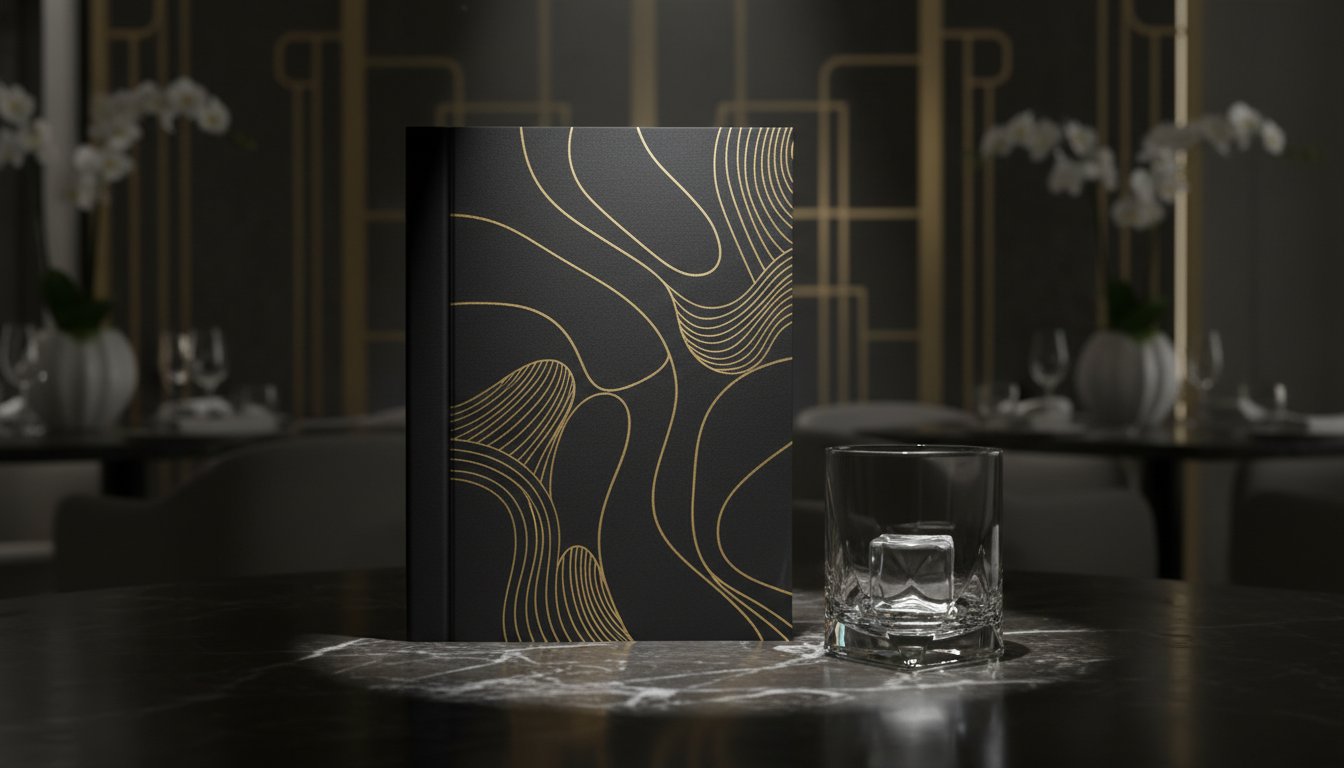
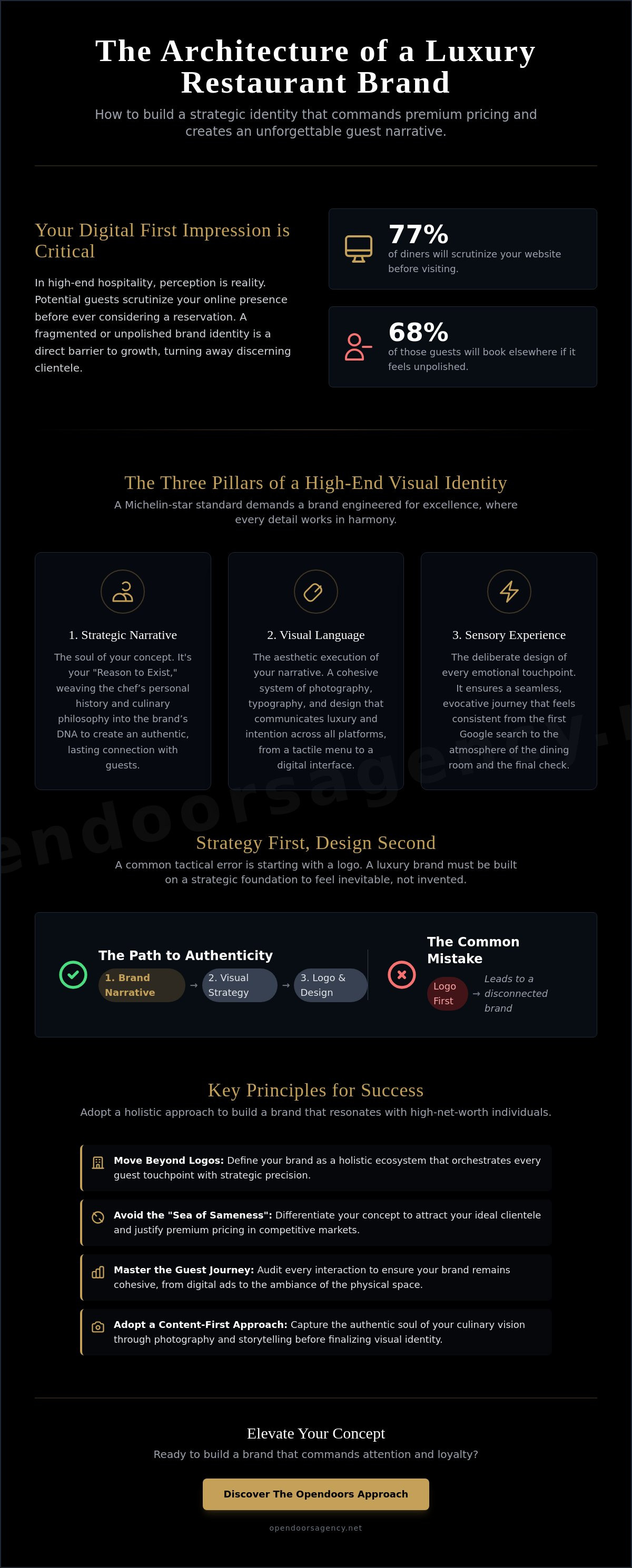
77% of diners will scrutinize your website before they ever step foot in your dining room. If your digital presence feels unpolished, 68% of those potential guests will simply book elsewhere. It's a harsh reality in a market where perception is as critical as the plate. You've poured your soul into a culinary vision that deserves better than a generic, disconnected brand. We understand the fear of looking ordinary in a world of elite competition.
This article reveals how to build a strategic brand identity that commands premium pricing and creates an unforgettable guest narrative. You'll discover the invisible architecture of fine dining restaurant branding, from translating sensory experiences into visual language to ensuring every digital touchpoint feels expensive and authentic. We'll map out a clear roadmap for your brand story that resonates deeply with high-net-worth individuals.
Key Takeaways
- Move beyond logos. Define your brand as a holistic ecosystem that orchestrates every guest touchpoint with strategic precision.
- Implement the three pillars of luxury hospitality. Align your strategic narrative with high-end visual language to meet elite industry standards.
- Avoid the "Sea of Sameness." Discover how to differentiate your concept to attract high-net-worth individuals and justify premium pricing in competitive markets like Miami.
- Master the guest journey. Learn to audit every interaction, ensuring your fine dining restaurant branding remains cohesive from the first Google search to the final check.
- Adopt a content-first approach. Capture the authentic soul of your culinary vision through photography and storytelling before finalizing your visual identity.
Defining the Invisible Architecture of Fine Dining Restaurant Branding
Branding is often mistaken for a visual coat of paint. In the luxury sector, this misconception is fatal. True fine dining restaurant branding is a holistic ecosystem. It is the silent, strategic foundation that dictates how a guest feels before they ever see a menu. We call this the Invisible Architecture. It is the deliberate design of every emotional touchpoint, ensuring that the transition from digital discovery to the physical table is seamless and evocative. When you build this architecture correctly, you aren't just selling a meal; you're selling a transformation.
High-end hospitality must prioritize feeling over features. A "feature" is a farm-to-table sourcing policy or a rare vintage in the cellar. A "feeling" is the sense of belonging, prestige, and effortless care that a guest experiences. Discerning diners do not pay premium prices for calories. They pay for the narrative. If your brand identity feels fragmented, the perceived value of the fine dining experience collapses. Consistency is the currency of trust. It bridges the gap between a high price point and the guest's willingness to pay it.
The Psychology of Luxury in Hospitality
Luxury guests operate on a different psychological frequency. They seek brand archetypes that reflect their own status or aspirations, whether that is the quiet authority of the "Sovereign" or the bold creativity of the "Explorer." Positioning your restaurant as an "insider’s secret" creates immediate social capital. This exclusivity isn't about gatekeeping; it's about making the guest feel chosen. Luxury branding is the intersection of heritage and innovation. It respects the traditions of service while pushing the boundaries of modern aesthetics to stay relevant in a fast-moving market.
Why a Logo is the Last Step, Not the First
Starting with a logo is a tactical error. Aesthetic-first design lacks the soul required to sustain a luxury concept. You must define the strategic narrative before you choose a color palette. Without this foundation, you risk falling into common restaurant branding mistakes that dilute your market position. Your brand mission must align perfectly with the operational reality of your kitchen. If your social media promises avant-garde minimalism but your dining room delivers rustic comfort, the guest experience feels dishonest. Strategic fine dining restaurant branding ensures that your photography, web design, and physical space all speak the same language. We capture the essence of the brand first. We design the symbols second. This order of operations creates a brand that feels inevitable, not invented.
The Three Pillars of a High-End Hospitality Visual Identity
Excellence in the luxury sector isn't accidental. It's engineered through three core pillars: Strategic Narrative, Visual Language, and Sensory Experience. These elements form the foundation of elite fine dining restaurant branding. A Michelin-star standard requires more than just exceptional food; it demands a brand that feels complete and intentional. Every detail must work in harmony to elevate the luxury restaurant dining experience from a simple meal to a cultural event. When these pillars are aligned, the brand becomes a powerful asset that justifies premium positioning.
Scalability is the modern benchmark of success. Your brand must translate effortlessly from a tactile, heavy-stock menu to a high-performance digital interface. In markets like Miami, the stakes are even higher. Luxury here isn't just about quiet restraint. It's about vibrant energy and bold sophistication. Miami brands must capture a specific "high-octane" elegance that resonates with a global, fast-paced clientele. If your visual identity feels static or outdated, you'll lose the room. Establishing a cohesive brand strategy ensures your restaurant remains relevant across every platform and interaction.
Strategic Narrative: The Soul of the Concept
A restaurant without a story is just a kitchen with chairs. You need a "Reason to Exist" that transcends the plate. This narrative becomes the soul of your concept. It's how you write a restaurant brand story that commands attention and builds lasting loyalty. Weave the chef’s personal history and culinary philosophy into the brand’s DNA. This creates an authentic connection that generic competitors simply can't replicate. Guests aren't just buying ingredients; they're buying into a legacy and a specific point of view.
Visual Language: Typography, Palette, and Texture
Visuals are the first point of contact. Custom typography is essential for an uncopyable identity. It signals that every element of the restaurant is bespoke and considered. Move beyond the tired clichés of black and gold. Explore deep emeralds, muted terracottas, or midnight blues to evoke specific, curated moods. Materiality matters. The weight of a menu or the subtle texture of a business card communicates quality before a single word is read. These sensory details confirm the premium nature of your brand. They turn a routine interaction into a tactile luxury experience that stays with the guest long after they leave.
Strategic Differentiation: Why Generic Branding Fails the Luxury Guest
Luxury is not a commodity. It cannot be mass-produced or mimicked through a mood board found on Pinterest. Many establishments fall into a "Sea of Sameness," where every dining room features the same velvet chairs and minimalist lighting. This lack of distinction is the greatest risk to your investment. Effective fine dining restaurant branding acts as a shield against mediocrity. It ensures your concept stands apart by offering a specific, curated perspective that cannot be found elsewhere. Generic branding tells the guest you are just another option. Strategic branding tells them you are the only choice.
The cost of a "good enough" brand is staggering, especially in a hyper-competitive market like Miami. When your identity feels replaceable, you are forced to compete on price or fleeting hype. This is a race to the bottom. Investing in a high-end identity is not an expense; it is a revenue driver. A strong brand generates organic prestige. It creates a gravitational pull that attracts high-net-worth individuals without the need for aggressive, discounted marketing. This organic authority significantly reduces your long-term customer acquisition costs. By mastering the elements of a perfect restaurant, you build a foundation that supports higher margins and sustained growth.
Avoiding the 'Trend Trap' in 2026
Short-term aesthetics lead to long-term failure. Many owners prioritize "Instagrammable" corners over a cohesive brand soul. This strategy is fragile. In 2026, discerning guests see through shallow, trend-driven design. They crave authenticity and timelessness. A brand built on seasonal fads will feel dated within eighteen months. Timeless luxury relies on enduring principles: heritage, craftsmanship, and a clear point of view. Identify the hallmarks of your concept that will remain relevant for decades. Focus on those. Ignore the noise of the current moment.
The ROI of Premium Visual Identity
High-end branding directly impacts your bottom line. It influences the average check size by justifying premium pricing through perceived value. When a guest perceives your brand as elite, their price sensitivity diminishes. Brand prestige also serves as a magnet for top-tier culinary talent. The best chefs want to work for brands that match their own level of excellence. Look at how a luxury branding agency in Miami can transform a vague concept into a market leader. This transformation isn't just visual. It's financial. It turns your restaurant into a destination, ensuring higher table turnover and a loyal, high-spending clientele.
Crafting the Sensory Narrative: From Menu Design to Digital Presence
Cohesion is the hallmark of elite hospitality. To achieve it, you must follow a methodical 5-step process that aligns every sensory touchpoint. First, audit the guest journey. This begins with the initial Google search and ends only when the final check is settled. Second, align your interior design with your graphic touchpoints. If your dining room features hand-troweled plaster, your business cards should share that tactile quality. Third, develop a consistent brand voice. Every caption and email must mirror the sophistication of your floor staff. Fourth, curate a high-end digital presence. Fifth, finalize the on-table assets. This rigorous approach to fine dining restaurant branding ensures that the narrative never falters. It transforms a series of individual moments into a singular, powerful memory.
Luxury is found in the details that others overlook. When your digital and physical worlds are disconnected, the guest feels a subtle sense of friction. Eliminating this friction is the key to maintaining a premium image. Every interaction should feel like a natural progression of the brand story. By treating your branding as a sensory narrative, you create a world that guests are eager to inhabit. This level of intentionality is what separates a world-class destination from a standard eatery.
The Digital Front Door: Website and Social Integration
Your website is your digital front door. It must feel as curated as the dining room itself. Use premium restaurant photography to build anticipation and showcase the artistry of your kitchen. Don't let a clunky reservation system break the spell. A seamless online booking UX is an extension of your service philosophy. It communicates that you value the guest's time before they even arrive. If you're ready to elevate your digital presence, explore our bespoke web design services to ensure your first impression is flawless.
On-Table Touchpoints: The Final Layer of Branding
On-table touchpoints are the final layer of branding. Menu engineering for luxury requires a mastery of negative space and storytelling. The layout should guide the guest's eye effortlessly, highlighting signature dishes without feeling cluttered. Consider the role of secondary assets. Bill folders, matchboxes, and take-away packaging are opportunities to reinforce the brand's prestige. Even lighting and sound design function as auditory and visual branding. They set the emotional tempo of the room, ensuring the atmosphere remains as polished as the cuisine. These final details confirm the fine dining restaurant branding promise made at the start of the journey.
Elevating Your Concept: The Opendoors Approach to Luxury Branding
Opendoors Agency acts as the bridge between your creative vision and operational success. We understand that a high-end concept requires more than just a beautiful interior. It needs a strategic foundation that translates your culinary artistry into a market-leading identity. Our approach to fine dining restaurant branding is rooted in the belief that aesthetics must drive tangible business outcomes. We don't just design; we curate. We lead the way for brands that want to elevate their status and command the attention of a discerning global audience.
We operate with a "Content-First" philosophy. Most agencies start with a logo and try to force a narrative to fit the symbol. We do the opposite. We capture the soul of the brand through professional photography and storytelling before we ever touch a font. This ensures your visual identity is born from the authentic reality of your space and cuisine. It creates a brand that feels inevitable rather than invented. By the time we finalize your web design and social media strategy, every pixel is infused with the genuine energy of your restaurant.
Excellence requires constant maintenance. In 2026, a static brand is a dying brand. We view branding as a living partnership rather than a one-time project. Our monthly retainers ensure your standards never slip. This ongoing collaboration allows us to manage your content production and digital presence with a calm, authoritative confidence. It alleviates your operational burdens, leaving your brand’s image in expert hands while you focus on the kitchen and the guest experience.
Our Process: From Strategy to Storytelling
Visual storytelling is our primary tool for creating an emotional hook. We use on-site content production to keep your narrative fresh and engaging. This isn't about generic updates. It's about strategic implementation that keeps your brand relevant. Miami's elite clientele requires a specific type of visual vibrancy. They respond to high-energy sophistication and bold innovation. Our process captures this unique "Miami pulse" while maintaining the effortless luxury that high-net-worth individuals expect. We move quickly from identifying your needs to presenting a comprehensive, polished solution.
Ready to Define Your Legacy?
The transition from a "restaurant" to a "landmark brand" is a decisive shift in mindset. A landmark brand doesn't just serve food; it defines the culture of its city. It becomes a destination that guests feel privileged to visit. Initiating a project with Opendoors Agency is the first step toward this transformation. We provide the roadmap for all guest touchpoints, ensuring your story resonates across every platform. Don't leave your reputation to chance. Partner with Opendoors Agency to build your luxury legacy and secure your position at the top of the market.
Define Your Legacy in Luxury Hospitality
Your brand is the silent architect of your guest's journey. It dictates whether a diner perceives your restaurant as a commodity or a destination. Mastering the nuances of fine dining restaurant branding is the difference between a fleeting trend and a culinary landmark. You've seen how a strategic narrative, aligned visual language, and a curated digital presence work together to justify premium pricing. Success in 2026 requires this level of obsession with detail. It demands a brand that feels as intentional as the menu.
Opendoors Agency specializes in Miami's luxury hospitality market. We offer a comprehensive service that moves from high-level strategy to high-end photography. Our tastemaker approach ensures your visual storytelling resonates with the world's most discerning guests. We don't just design logos; we build legacies. It's time to stop blending in and start leading the way.
Elevate your brand with Miami's leading hospitality creative agency. Let's create something unforgettable together.
Frequently Asked Questions
What is the difference between restaurant branding and graphic design?
Branding is the strategic foundation that dictates how a guest feels; graphic design is the visual execution of that strategy. Branding defines your restaurant's personality, values, and emotional hook. Graphic design provides the tangible assets, such as logos and menus, used to communicate that identity. One is the soul of the business, while the other is the visual language it speaks.
How much should I budget for a fine dining restaurant branding project?
Budgeting for a luxury project depends on the depth of the strategy and the range of creative services required. High-end branding typically involves comprehensive market analysis, visual identity development, and bespoke content production. Costs vary based on the agency's expertise and the level of detail needed to compete in elite markets. Strategic fine dining restaurant branding should be viewed as a capital investment in your property's long-term value.
Does a fine dining restaurant really need a brand story?
Yes, a brand story is essential for differentiating your concept in a saturated luxury market. It provides the narrative that justifies your price point and builds emotional loyalty with guests. Without a story, you are simply selling a meal. With a compelling narrative, you are offering an exclusive experience that resonates with high-net-worth individuals and creates a lasting legacy.
How often should a luxury restaurant update its visual identity?
Luxury restaurants should perform a brand audit annually and consider a visual refresh every three to five years. You don't need to change your core identity. Instead, you should update your photography, web design, and social media content to stay contemporary. This ensures your brand remains vibrant and relevant without losing the heritage that your regular guests have come to trust.
Can branding help a restaurant achieve a Michelin star?
Branding doesn't influence the food quality, but it creates the atmosphere of excellence that inspectors expect. A cohesive brand signals professional management and an obsession with detail across the entire guest journey. It supports the culinary vision by ensuring the service, decor, and digital presence meet the same elite standards as the kitchen. Consistent branding confirms your status as a world-class destination.
How do I ensure my digital brand matches my physical restaurant experience?
Align your digital presence by using high-end photography and a consistent brand voice. Your website must mirror the lighting, textures, and sophistication of your dining room. If your restaurant emphasizes quiet intimacy, your social media should avoid loud, fast-paced edits. Using authentic content produced on-site is the most effective way to ensure the digital guest journey feels like a natural extension of the physical table.
Why is Miami a unique market for fine dining branding?
Miami demands a specific type of high-energy luxury that blends bold innovation with traditional sophistication. The city attracts a global, fast-paced clientele who expect vibrancy and "see-and-be-seen" environments. Branding in this market must be high-octane and visually striking to stand out. It requires an understanding of the city's unique pulse and the ability to balance tropical vibrancy with elite, world-class standards.
What are the most important brand touchpoints in a luxury restaurant?
The most critical touchpoints are your website, the physical menu, and the staff's service style. Secondary elements like bill folders, matchboxes, and takeaway packaging also reinforce your prestige. These details are part of the fine dining restaurant branding ecosystem that guests interact with most closely. Every touchpoint is an opportunity to confirm your brand's quality and justify its premium positioning through thoughtful, intentional design.


