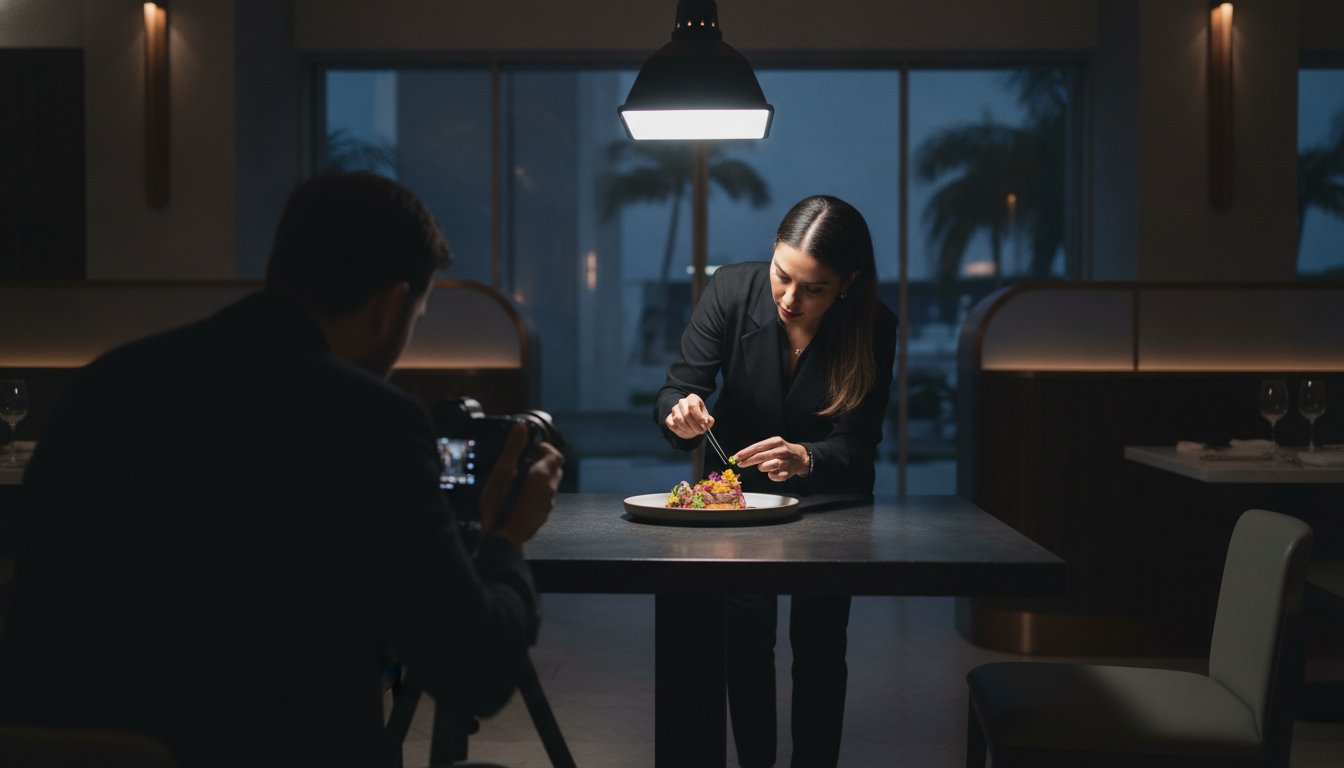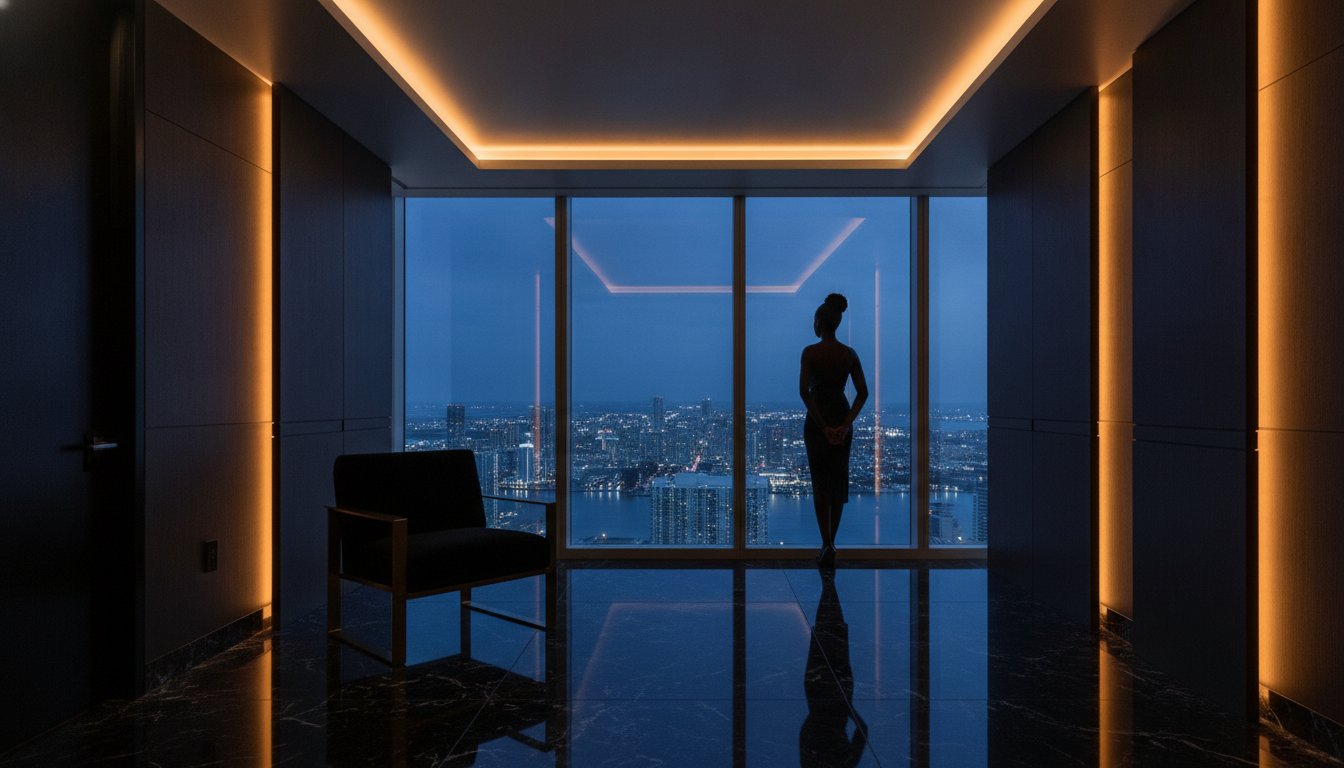

Forty percent of Millennial travelers now select their next destination based solely on how "Instagrammable" it appears on their feed. It's a striking figure that defines the modern hospitality market. You already know that a stunning lobby or a sunset view is a powerful marketing tool. Still, many properties find that their standard hotel photography for social media feels static and disconnected once it hits a high-traffic grid. It's frustrating to invest in professional shoots only to see them outperformed by a grainy guest photo.
Visual storytelling in 2026 is no longer about simply capturing a room; it's about staging a lifestyle narrative that guests can inhabit. You deserve a visual identity that feels as effortless and elevated as the service you provide. This article will show you how to bridge the gap between physical luxury and digital conversion. We'll explore the shift toward ambient realism, the ROI of social-first content, and how to design specific moments that turn casual scrollers into direct bookings. Your property is a masterpiece. Let's make sure the world sees it that way.
Key Takeaways
- Prioritize vertical framing and emotional resonance over traditional wide-angle architectural shots to capture the modern traveler's attention.
- Master the art of hotel photography for social media by using lighting, symmetry, and tactile textures to design moments guests feel compelled to share.
- Define your platform strategy by positioning the Instagram grid as a digital lobby for first impressions and Reels as the space for authentic storytelling.
- Curate a 2026 shot list that emphasizes the exclusivity of the arrival sequence and the fine details of bespoke amenities.
- Maintain a high-conversion digital presence with a consistent content production model that eliminates the gap between luxury branding and social engagement.
The Shift to Social-First Hotel Photography
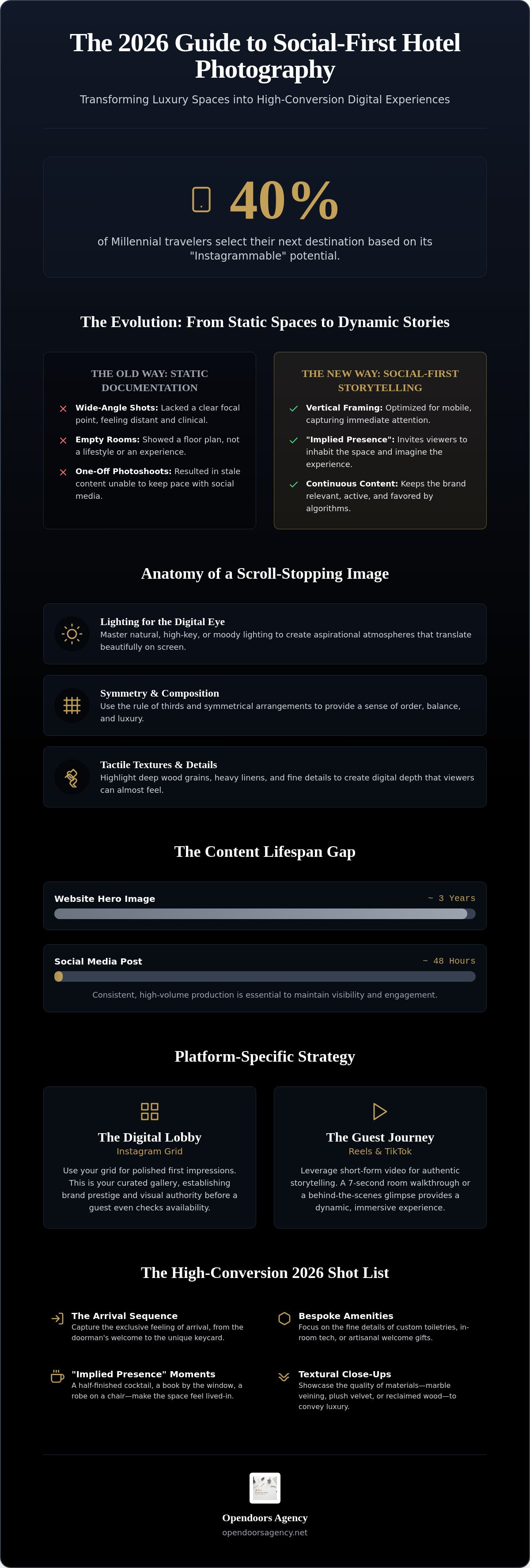
Social-first photography is a deliberate departure from clinical documentation. It prioritizes vertical framing and emotional depth to trigger immediate engagement on mobile devices. Traditional wide-angle architectural shots often fail on the Instagram grid because they lack a clear focal point. They feel distant. Cold. Clinical. In the context of Instagram tourism, guests aren't looking for a floor plan; they're looking for a lifestyle. Approximately 69% of the global population now uses social media for travel-related purposes. Your photography must meet them where they live: on the vertical screen.
The 2026 guest journey is fluid and fast-paced. It often begins with a 7-second room walkthrough on TikTok and ends with a direct booking through your link in bio. High-end aesthetics serve as the primary driver of digital prestige for modern hotels. If your feed looks curated, your property feels exclusive. This visual authority establishes trust before a guest even checks your availability. It’s about creating a "digital lobby" that is just as polished and welcoming as your physical one.
From Static Documentation to Active Storytelling
Stop showing people your lobby. Start showing them how it feels to stand in it. Transitioning from "this is our lobby" to "this is your experience" requires a shift in perspective. Move away from empty rooms toward "implied presence." A half-finished glass of wine on a marble coaster or a plush robe draped over a velvet chair tells a story. It invites the viewer to step into the frame and inhabit the space. Human elements, even if only suggested, add warmth to luxury shots. Visual storytelling is the bridge between property features and guest aspirations. It transforms a physical space into a sought-after emotional destination.
Why Your Opening Photoshoot Isn't Enough Anymore
A hero image on your website might last three years. A social media post has a high-impact lifespan of about 48 hours. The hospitality market moves fast, and your content must keep pace. You need seasonal and "vibe-based" updates to stay relevant to your audience. Summer poolside shots don't drive bookings in December. Regular content production ensures your brand stays visible to the algorithm and maintains its position as a tastemaker. With Instagram’s 2026 policy shift toward prioritizing original content, relying on guest reposts alone is no longer effective. Frequency signals that your property is active, modern, and attentive to detail. Stale grids suggest a stale guest experience. High-volume, high-quality hotel photography for social media is the only way to sustain long-term engagement.
Defining Instagrammable Moments in Hotel Design
An Instagrammable moment is more than a backdrop; it's a calculated intersection of architecture and aspiration. In 2026, 40% of Millennials select their travel destinations based specifically on this visual potential. Successful hotel photography for social media relies on three pillars: lighting, symmetry, and the unexpected detail. Symmetry provides a sense of order and luxury, while the "unexpected detail"—perhaps an antique brass key or a hand-painted tile—creates the friction necessary to stop a scroll. These elements signal to the guest that every inch of your property is intentional.
Tactile elements define high-end visual storytelling for hospitality. Think of the deep grain in a reclaimed oak headboard or the heavy, sculptural weight of a linen curtain. These textures translate into digital depth, making the viewer feel they can almost touch the screen. By identifying micro-moments, like the precise glint of a condensation-beaded cocktail or the way a sharp shadow falls across a terrace, you build a narrative of quality. Creating dedicated "photo-op" zones encourages guests to generate their own content, turning your physical design into a self-sustaining marketing engine. Refining these details requires a tastemaker's eye for content production.
The Anatomy of a Scroll-Stopping Interior
Interiors must offer a clear focal point that dominates the vertical frame. Whether it is a piece of statement art or a bespoke velvet sofa, the eye needs a place to land. In 2026, we see a shift away from safe neutrals toward "brand-signature" palettes that make a property instantly recognizable. Applying the "Rule of Thirds" ensures that your compositions feel balanced and professional, even when viewed on a small mobile screen. This geometric precision separates amateur snapshots from high-conversion digital assets.
Lighting for the Digital Eye
Lighting is the difference between a flat image and a luxury experience. The "Golden Hour" remains the gold standard for restaurant photography miami and hotel exteriors, providing a warmth that filters can't replicate. However, the modern digital eye also craves "mood lighting" for evening content. Avoid the "over-lit" look common in traditional architectural photography. Shadows are essential. They create depth, mystery, and a sense of exclusivity that defines the luxury sector. Natural light should feel soft and invited, never harsh or clinical.
Platform Strategy: Instagram Grid vs. TikTok & Reels
Your Instagram grid is your property's digital lobby. It is the first point of contact where your brand's prestige is solidified and your aesthetic authority is established. While the grid serves as a curated gallery of excellence, TikTok and Reels function as the behind-the-scenes narrative where your brand personality is built. In 2026, a successful strategy requires the coexistence of high-production assets and "ambient realism." This raw, authentic style mimics a personal camera roll, using natural lighting and motion blur to build trust with Gen Z and Alpha travelers who are increasingly skeptical of overly polished content.
Adapting your hotel photography for social media means planning for multiple aspect ratios from the outset. A single scene must be captured to satisfy the 4:5 vertical requirement of the grid and the 9:16 immersive scale of Reels. This multi-platform approach ensures that your visual investment works harder across every touchpoint. High-end content production isn't just about taking a beautiful photo. It's about engineering assets that drive engagement regardless of where they are viewed.
Curating the Aesthetic Grid
Consistency is the foundation of digital prestige. Maintaining a uniform color grade ensures that your hotel's presence remains premium, mirroring the standards seen in social media for upscale restaurants. Employ a "checkerboard" strategy by alternating between expansive wide shots of your architecture and intimate, detail-oriented close-ups. This rhythm prevents the grid from feeling cluttered. Use carousel posts to tell a complete story, such as a "day in the life" sequence that guides a guest from a sunrise terrace breakfast to a late-night cocktail in the lounge. This narrative structure keeps users on your profile longer, signaling value to the algorithm.
Vertical Video: Capturing Movement and Sound
Movement adds a layer of sensory luxury that static images cannot replicate. Focus on the "ASMR" of hospitality: the crisp sound of a keycard in a lock, the gentle splash of a heated pool, or the rustle of high-thread-count linens. Transition techniques for room tours must feel cinematic rather than "realtor-style." Avoid fast, disorienting pans. Instead, use slow, deliberate movements that emphasize the flow of the space. Lifestyle videography is the new standard for luxury conversion because it allows the guest to hear and see the experience. It transforms a viewer from a passive observer into an active participant in your brand's story.
The 2026 Hotel Shot List: Beyond the Guest Room
A comprehensive visual strategy requires looking past the four walls of the suite. Modern hotel photography for social media must document the entire ecosystem of luxury. Guests aren't just booking a bed; they are booking a curated sequence of events. Your shot list should reflect this journey with precision and artistry. By capturing the full scope of the property, you provide the "verified authenticity" that 2026 travelers demand before committing to a stay.
- Step 1: The Arrival Sequence. Capture the transition from the street to your sanctuary. Focus on the tactile weight of the entrance doors, the greeting from the concierge, and the immediate sense of exclusivity that defines the check-in experience.
- Step 2: The Detail Edit. Zoom in on the subtle markers of quality. This includes bespoke amenities, the crisp fold of branded linens, and the sophisticated curation of the minibar. These details signal a high-end operational standard.
- Step 3: The Social Spaces. Frame your lobby and bar as vibrant, living hubs. These shots should convey energy and movement, positioning your property as a destination for the local elite as well as international guests.
- Step 4: The Wellness Narrative. Move beyond the traditional gym photo. Document the "zen" of the spa or the quiet ritual of an in-room bath setup. Focus on the feeling of restoration rather than just the equipment.
- Step 5: The F&B Experience. Treat your dining outlets as standalone brands. Integrate the principles from our restaurant branding guide to elevate these culinary moments into digital prestige.
Executing this level of detail requires more than just a camera; it requires a strategic vision. If your current imagery feels disjointed or lacks that tastemaker quality, it is time to partner with experts in luxury content production who understand the nuances of the hospitality sector.
Styling the Scene for Social Media
Achieving the "Lived-In" look is an exercise in restraint. A bed should look inviting and soft, yet pristine. Avoid the stiff, over-starched appearance of traditional hotel catalogs. Use prop styling to ground the image in reality. A local lifestyle magazine, fresh botanicals, and high-end glassware add layers of authenticity. Decluttering is equally critical. Remove remotes, power cords, and other functional eyesores that break the visual spell of luxury. Every element in the frame must earn its place. Professional styling ensures your hotel photography for social media feels like an attainable dream.
Directing Lifestyle Talent
Talent should act as a mirror for your target demographic's highest aspirations. Choose models who embody the effortless grace of your ideal guest. Favor candid "in-between" moments over stiff, posed photography. A guest laughing mid-conversation at the bar or looking out over a balcony feels more authentic and trustworthy on social media. Ensure the talent never competes with the property itself. The architecture is the star; the people are there to provide scale and emotional context. This balance ensures your content remains sophisticated and effective.
Opendoors Agency: Your Partner in Visual Excellence
Opendoors Agency bridges the gap between high-level brand strategy and high-impact hotel photography for social media. We understand that a luxury property requires more than just a photographer; it requires a tastemaker who can translate physical excellence into digital prestige. Our team manages the entire creative lifecycle. From initial concept to final post-production, we ensure every asset aligns with your property's elite positioning. We take the operational burden off your shoulders, providing a comprehensive, hands-off convenience that allows you to focus on the guest experience.
Maintaining a premium presence requires relentless consistency. Our monthly content retainer model is designed to solve the "high volume" content problem. We ensure your social media never goes stale by delivering a steady stream of fresh, seasonal assets. Based in Miami, we are immersed in the global language of tropical luxury. We understand the specific aesthetic cues that resonate with high-net-worth travelers. This regional expertise allows us to craft visual narratives that feel both authentic and aspirational, regardless of where your property is located.
Strategic Visual Identity
We develop custom visual style guides that serve as the blueprint for your hotel’s digital presence. This ensures that every Reel, post, and story feels like part of a cohesive brand story. Aligning your social content with hotel website design miami standards creates a seamless journey for the guest. When the visual language is consistent from the first discovery on Instagram to the final booking on your site, trust is solidified. We focus on visual storytelling that drives measurable results, specifically targeting an increase in direct booking rates through high-conversion imagery.
Ready to Elevate Your Digital Presence?
Our process is methodical and results-driven. It begins with a deep dive into your brand strategy, followed by high-end on-site production and meticulous post-editing. High-end hotels trust Opendoors because we treat their visual assets as critical business investments. We don't just capture rooms. We engineer the digital prestige that defines modern hospitality success. Your property deserves to be seen through a lens of effortless luxury. Partner with Opendoors Agency for your next hotel shoot and transform your social media into your most powerful booking engine.
Mastering the Visual Language of 2026
The digital prestige of your property depends on more than just high-end architecture; it requires a strategic, social-first approach to imagery. We have explored how transitioning from static documentation to active storytelling transforms engagement rates. By designing specific photo-op zones and tailoring content for the unique demands of the Instagram grid and vertical video, you create a self-sustaining marketing engine. High-quality hotel photography for social media is no longer a luxury. It is the foundation of your 2026 booking strategy.
Opendoors Agency specializes in Miami hospitality branding, providing the monthly content retainers necessary to maintain a consistent luxury presence. Our expertise in high-end architectural and lifestyle photography ensures that every detail of your property is captured through a tastemaker's lens. We provide the hands-off convenience your management team needs to stay focused on operational excellence. It's time to bridge the gap between your physical luxury and your digital conversion.
Elevate your hotel's visual narrative with Opendoors Agency. Your property is a masterpiece; ensure its digital reflection is just as compelling.
Frequently Asked Questions
How often should a hotel update its social media photography?
Hotels should refresh their visual assets at least once per quarter to stay relevant to seasonal guest expectations. Monthly updates are even more effective for maintaining high algorithm visibility. Static hero shots from three years ago won't drive engagement in a fast-paced digital market. Regular content production ensures your feed reflects the current vibe and property status, preventing your brand from appearing stagnant to potential guests.
What is the difference between architectural photography and social media photography?
Architectural photography focuses on technical precision and wide-angle documentation of a physical structure. In contrast, hotel photography for social media prioritizes vertical framing and emotional resonance. It captures ambient realism and lifestyle narratives rather than just floor plans. While architectural shots provide information, social-first photography creates a desire to inhabit the space, using lighting and texture to trigger immediate interaction on mobile feeds.
Do we need models for every hotel photoshoot?
You don't need models for every frame, but human elements add essential warmth to luxury shots. Implied presence, such as a draped robe or a freshly poured drink, often feels more authentic than a posed model. When you do use talent, choose individuals who reflect your target demographic's highest aspirations. Candid, in-between moments usually outperform stiff, staged poses on platforms like Instagram and TikTok.
How can we make a small boutique hotel look luxurious on Instagram?
Focus on the detail edit to convey a sense of curated exclusivity. Highlight bespoke amenities, high-end materials, and unique architectural curves that larger chains might lack. Small properties can leverage their intimacy as a luxury asset. Use close-up shots of rich textures and branded details to create a narrative of craftsmanship. Luxury is often found in the small, intentional moments that larger properties overlook.
Should we use professional cameras or iPhones for hotel social media?
A hybrid approach is best for 2026. Professional cameras are necessary for your digital lobby assets and high-conversion ads where quality is non-negotiable. iPhone content works well for lo-fi luxury in Stories or behind-the-scenes Reels to build authenticity. However, your primary grid should always feature professional hotel photography for social media to maintain your property's prestige and authoritative brand voice.
What are the most important 'Instagrammable' features for a hotel in 2026?
Priority features include the arrival sequence, signature dining moments, and wellness rituals. Guests look for unique architectural focal points and photo-op zones that feel effortless rather than forced. In 2026, ambient realism is key; natural lighting and tactile textures like linen or stone are highly sought after. Designing these moments into your property's physical layout ensures a steady stream of user-generated content.
How do I choose the right hospitality photographer in Miami?
Look for a specialist who understands the specific visual language of the hospitality sector. A generalist might miss the nuances of luxury service and lifestyle storytelling. Choose a Miami-based agency that understands the tropical luxury aesthetic and offers comprehensive content production services. Ensure their portfolio shows a balance of technical architectural skill and the ability to capture candid, lifestyle-driven moments that drive social engagement.
Can professional photography help increase direct bookings?
Professional photography is a direct driver of conversion. High-quality visuals establish trust and digital prestige, making guests feel confident in their choice before they book. By showcasing verified authenticity through professional content, you reduce the perceived risk of a stay. This visual authority allows you to lead guests from discovery on social media directly to your booking engine, bypassing third-party platforms and increasing your ROI.