A stunning menu and a prime location no longer guarantee a seat at the table of industry leaders. In 2026, restaurant branding isn't a logo; it's a curated visual narrative that executes strategy through effortless luxury. You've likely felt the frustration of having a world-class kitchen that remains a "hidden gem" simply because your digital presence lacks the prestige of your plating. This restaurant branding guide addresses the struggle to attract high-spend guests when your visual identity feels fragmented across social media and physical menus in a market projected to reach $1.55 trillion this year.
Master the art of high-end restaurant branding with our comprehensive guide to visual identity, narrative strategy, and digital prestige. Build a cohesive brand that justifies premium pricing and turns your space into a shareable destination. Follow our clear roadmap for long-term growth. Visual excellence. Strategic implementation. Business expansion.
Key Takeaways
- Define branding as the invisible architecture that builds emotional connections and justifies your premium pricing structure.
- Curate a sensory visual identity by selecting color palettes and typography that evoke specific guest responses.
- Identify your "Brand Why" to create a narrative that resonates with high-spend guests and builds lasting recognition.
- Use this restaurant branding guide to implement high-end photography and content retainers for a seamless digital presence.
- Leverage professional visual artistry to navigate competitive hospitality landscapes and ensure your brand stands out as a destination.
Defining Restaurant Branding: The Invisible Architecture of Hospitality
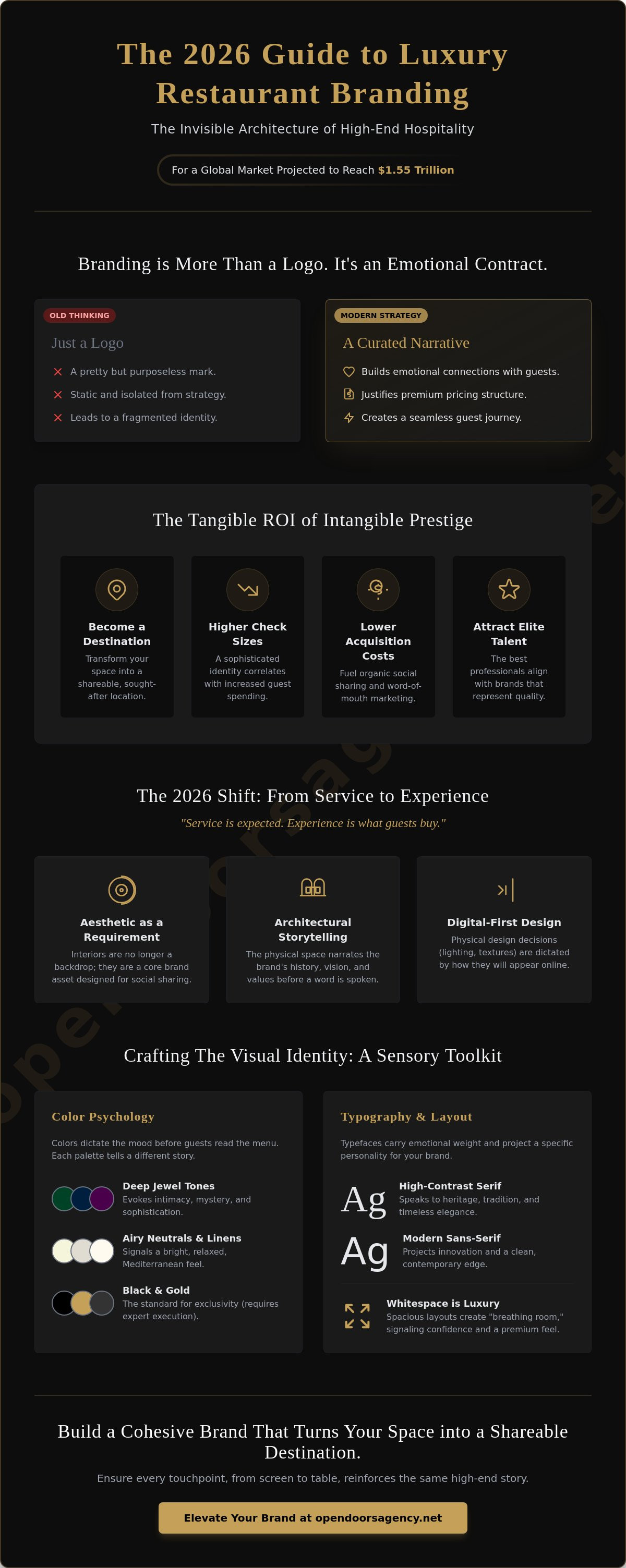
Branding is the soul of your establishment. It represents the silent dialogue between your creative vision and the guest's perception. This restaurant branding guide begins with a fundamental truth: branding is an emotional contract. It's the psychological bridge that connects a diner's desires to your venue's atmosphere. To truly master this, one must first explore the foundational concepts of What is a brand? in a modern hospitality context.
Think of branding as the invisible architecture of your business. It's the framework that supports your premium pricing and justifies the elite positioning of your menu. While visual identity focuses on the look, including your logo and color palette, brand strategy defines the feel. Strategy is the narrative. It's the promise of a specific experience that begins long before a guest steps through your doors. Without strategy, a beautiful logo is merely decoration; with it, that logo becomes a symbol of prestige.
Inconsistency is the silent killer of guest loyalty. When your digital persona suggests effortless luxury but your physical menu feels dated or generic, you create friction. These off-brand moments erode trust. They suggest a lack of attention to detail that guests assume extends to the kitchen. Success in 2026, as detailed in this restaurant branding guide, requires a seamless transition from the screen to the table. Every touchpoint must reinforce the same high-end story.
The ROI of a Sophisticated Brand Identity
High-end branding transforms your restaurant into a destination. This shift reduces customer acquisition costs by fueling organic social sharing. Guests become your marketers when your brand is worth documenting. A sophisticated identity correlates with higher average check sizes. Diners pay for prestige. Beyond the ledger, a strong brand attracts elite talent. The best professionals align with names that represent innovation and quality.
The 2026 Shift: From Service to Experience
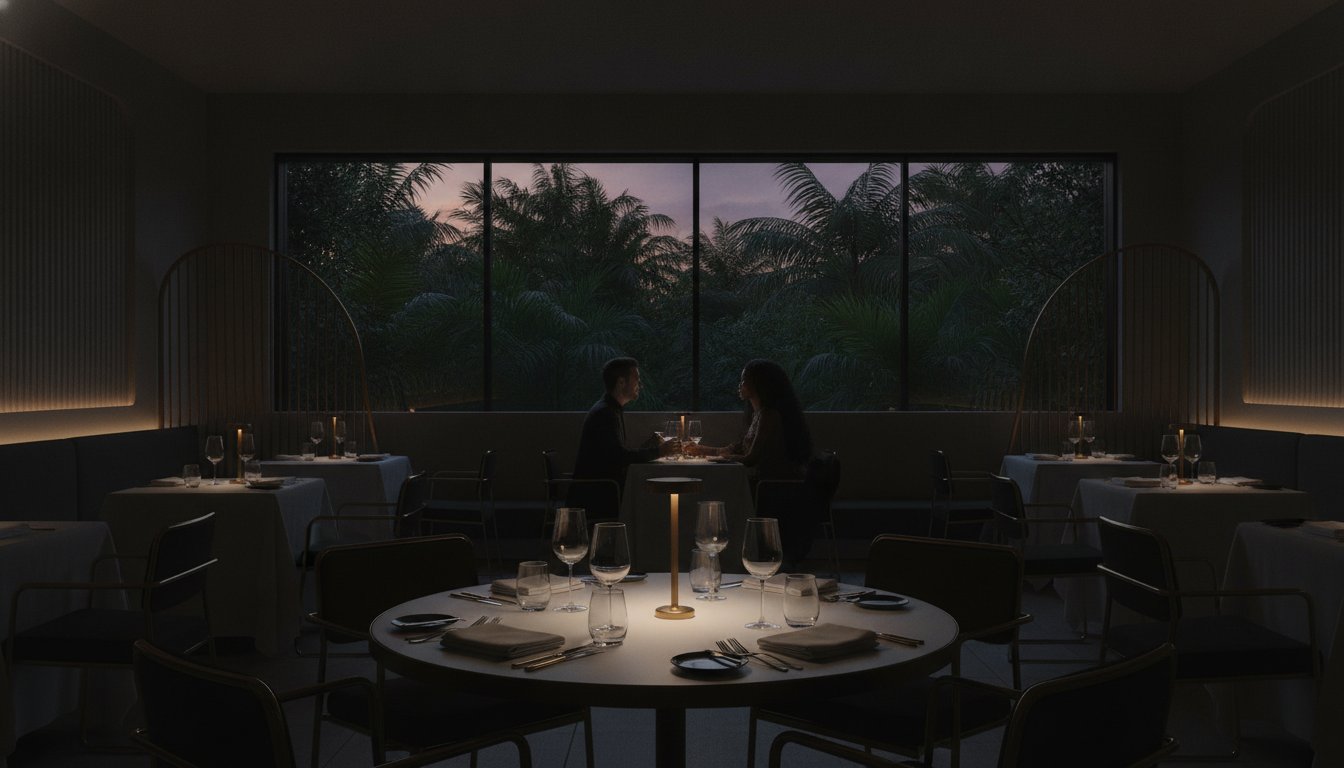
The industry has moved beyond the plate. In 2026, aesthetic interiors are a core brand requirement. Digital-first branding now dictates physical dining room decisions. Lighting and textures ensure every angle is a branding opportunity. We see a rise in architectural storytelling where the space narrates the brand history. Service is expected. Experience is what guests buy. Your brand must lead this transition to maintain relevance.
Crafting the Visual Identity: Beyond the Logo
A logo is a signature, but visual identity is the entire conversation. It transforms abstract strategy into a tangible atmosphere that guests can see, touch, and feel. While many owners obsess over a single mark, this restaurant branding guide emphasizes a holistic system. You must curate every element to trigger a specific sensory response. This includes developing secondary marks for social icons and bespoke typography that carries your brand’s weight across physical and digital touchpoints.
Execution requires precision. Your visual identity must dictate how your food and space are captured through photography. It isn't enough to have "good" photos; you need a consistent style that becomes your brand’s digital fingerprint. Whether it's high-contrast, moody lighting or bright, sun-drenched compositions, the visual language must be unmistakable. Establishing these rules ensures your brand remains recognizable even when the logo isn't present.
Color Psychology for High-End Hospitality
Colors dictate the mood before a guest even reads the menu. Deep jewel tones like emerald or navy suggest an intimate, evening-centric lounge atmosphere. They evoke mystery and sophistication. Conversely, airy neutrals and warm linens signal a bright, Mediterranean bistro feel. Black and gold remain the gold standard for exclusivity, yet they require expert execution to avoid looking dated. For a deeper dive into these nuances, explore our Visual Identity for Restaurants: The 2026 Guide to Luxury Branding. Choosing the right palette is a core pillar of successful restaurant brand strategies because it sets the stage for the entire guest journey.
Typography and the Language of Luxury
Typefaces carry emotional weight. A high-contrast serif font speaks to heritage, tradition, and timeless elegance. It tells the guest your establishment has a story to tell. Modern sans-serifs project innovation and a clean, contemporary edge. Whitespace is your most powerful tool in layout design. It creates "breathing room," which is a hallmark of luxury. Overcrowded menus feel frantic and cheap. Spacious, legible layouts across both mobile devices and physical cardstock signal confidence and calm. Our team at Opendoors Agency specializes in balancing these delicate aesthetic choices to ensure your brand feels cohesive and intentional.
Secondary brand marks also play a vital role in 2026. These simplified icons ensure your brand remains recognizable on small social media tiles, wax seals, or custom merchandise. They provide flexibility without sacrificing identity. Every detail matters. Every pixel counts. When these elements align, they create a visual narrative that justifies your position as a market leader.
Developing Your Brand Narrative and Voice
Every plate has a story. Every seat has a purpose. Beyond the visual elements we explored in the previous chapters, your brand narrative is the heartbeat of your hospitality. It defines the "Brand Why" that justifies your existence in an increasingly crowded market. This restaurant branding guide views narrative as the bridge between your kitchen's creative output and your guest's emotional experience. Without a clear story, you're simply selling food. With one, you're offering a transformation.
Identify your brand persona with absolute clarity. Are you the sophisticated host, providing a sanctuary of refined elegance and quiet confidence? Or are you the bold innovator, disrupting the status quo with vibrant energy and unexpected culinary risks? This choice dictates your tone of voice. A sophisticated host speaks with polished, rhythmic authority. A bold innovator uses direct, punchy, and modern language. Audit your current communications to ensure they align with this character. Inconsistency signals a lack of vision. Consistency signals prestige.
The Art of the Brand Story
Origin stories are invitations, not just history lessons. Connect with your guests by weaving your culinary philosophy into every touchpoint. Use your narrative to bridge the gap between the chef's heritage and the diner's perspective. A powerful story might be summarized in a single, evocative sentence: "We curate the forgotten flavors of the coast to bring timeless elegance to the modern table." This emotional hook is vital for branding for restaurant growth. For a deeper look at crafting these narratives, see our guide on How to Write a Restaurant Brand Story That Commands Attention.
Voice Consistency Across Touchpoints
Your voice must remain a singular, unbroken thread. It should flow seamlessly from your Instagram captions to your digital menu descriptions and finally to the physical table. If your digital presence promises luxury but your staff interactions feel casual or indifferent, the brand fractures. Avoid the 7 Common Restaurant Branding Mistakes Killing Your Growth in 2026 by ensuring every team member understands the brand persona. Train your staff to embody the voice in guest interactions. They don't just serve dishes; they deliver on your brand promise. This level of detail is what separates a standard establishment from a true hospitality destination.
Executing the Brand: Photography and Digital Presence
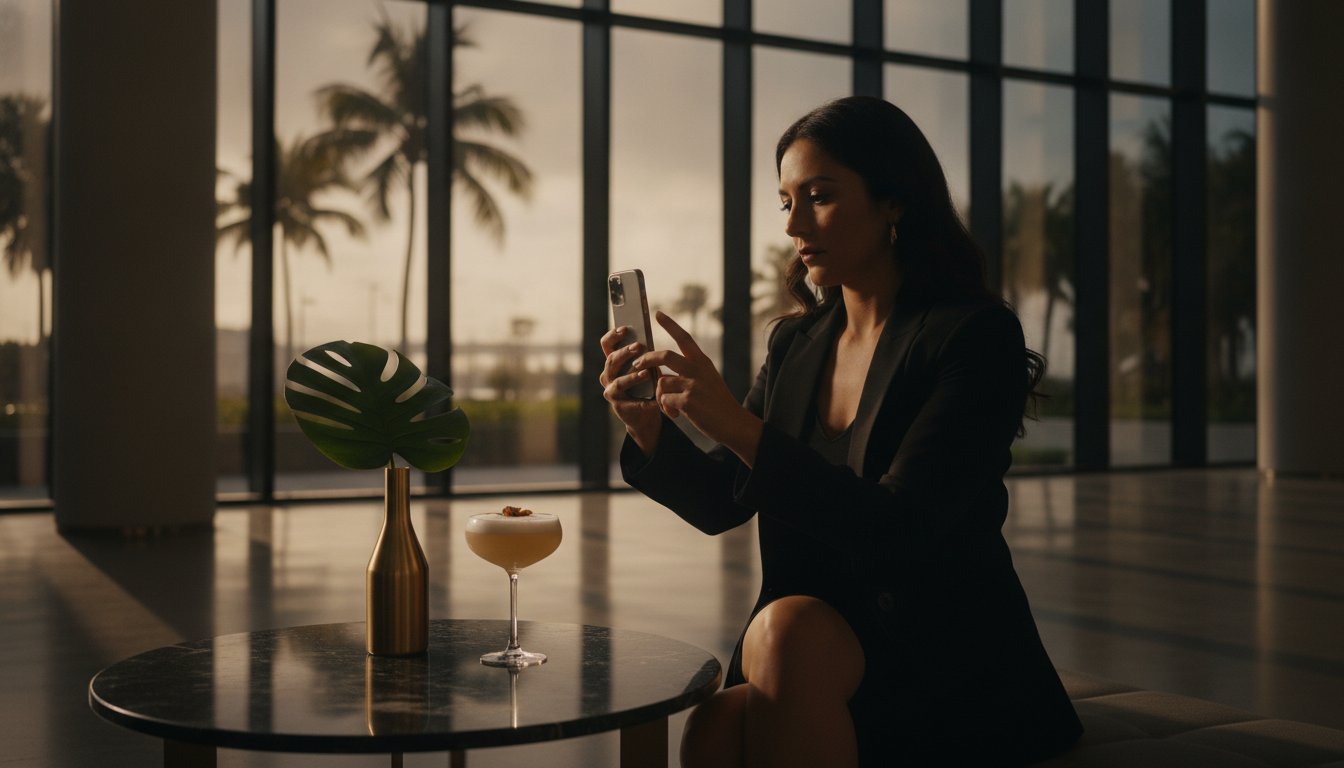
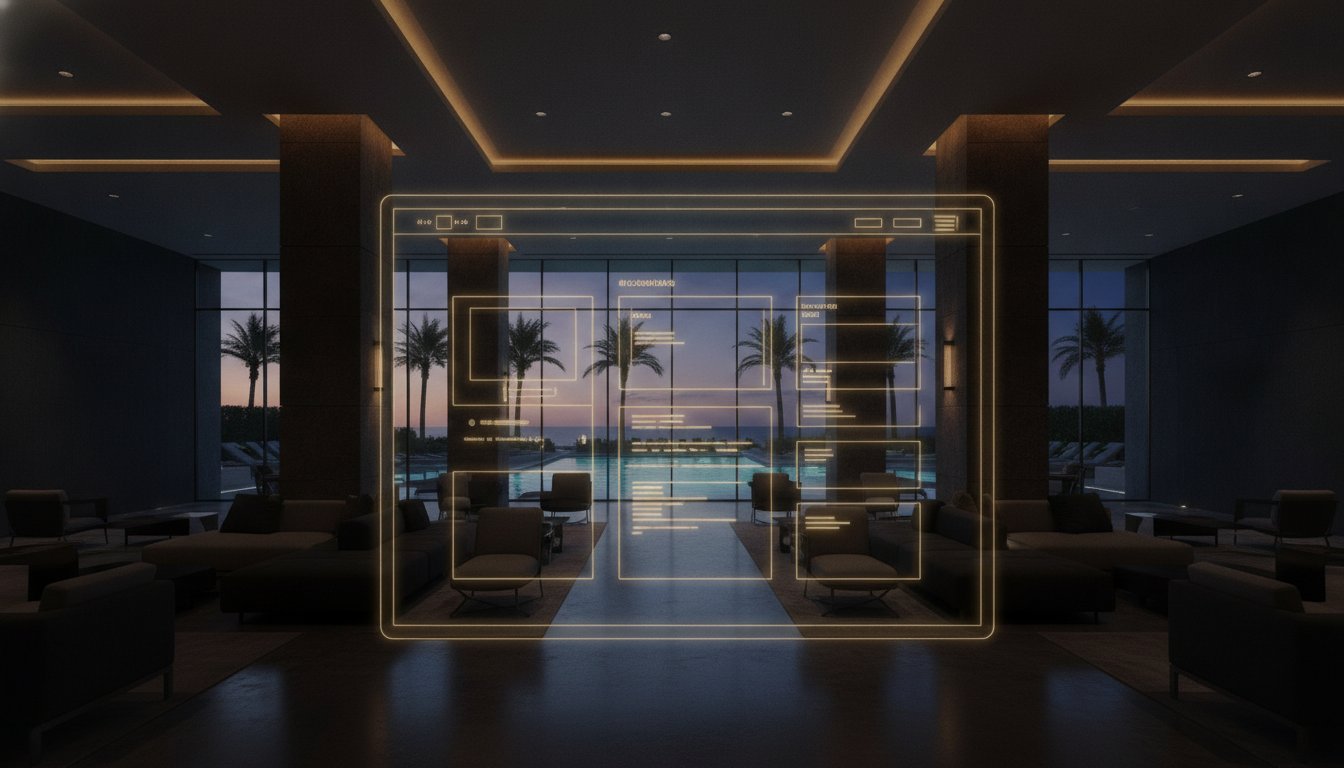
The guest journey no longer begins at your front door. It begins on a smartphone screen. In 2026, high-end photography is the primary driver of brand perception. This restaurant branding guide views digital execution as a direct extension of your hospitality. Your digital presence must mirror the physical excellence of your dining room with surgical precision. A website should function as a virtual concierge. It must guide guests through your narrative with the same effortless grace as an expert maître d'.
Consistency is the currency of trust. Fragmented visuals or low-quality content suggest an operational disconnect that high-spend guests will notice. For a deeper analysis of how these elements support elite positioning, explore our post on Fine Dining Restaurant Branding: The Invisible Architecture of Luxury Hospitality. Execution is where strategy meets reality. It requires a relentless commitment to visual excellence across every platform.
The Power of Visual Storytelling
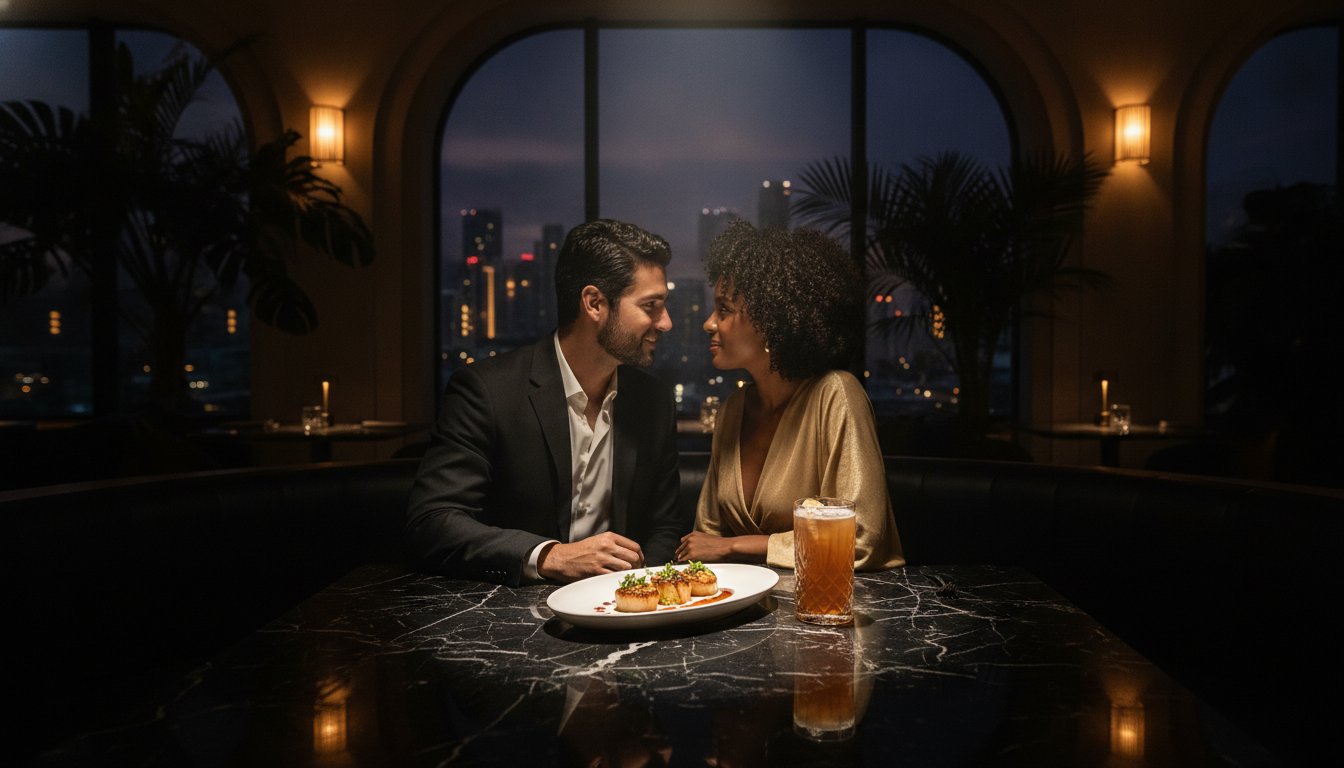
Move beyond "food porn." While high-quality dish photography is essential, luxury positioning requires architectural and lifestyle imagery. Capture the "vibe" through intentional movement and lighting. Show the human element. A blurred server in the background or the specific glow of a candle on a marble tabletop tells a richer story than a static plate. Professional photography is a non-negotiable requirement for any brand aiming to justify premium pricing. It establishes your authority before the first course is even served.
Social Media as a Digital Flagship
Your Instagram grid is your digital flagship. It should feel like a curated luxury magazine. Every tile must contribute to a cohesive aesthetic that feels both vibrant and exclusive. Use TikTok to tell the behind-the-scenes story of your brand identity. It’s an opportunity to show the artistry in the kitchen or the design details of your lounge. Monthly content production is the only way to stay relevant in a fast-paced market. Content retainers provide the hands-off convenience needed to maintain a consistent digital "vibe" without draining your internal resources. Elevate your digital presence with Opendoors Agency to ensure your brand remains a destination in the digital age.
Navigating the Miami Market with Opendoors Agency
Miami is a battlefield of aesthetics. In a city defined by vibrancy and elite positioning, standing still is the same as disappearing. This restaurant branding guide concludes where the real work begins: in the competitive heart of the Miami hospitality scene. Here, branding must do more than look good. It must command attention in a market that never sleeps. Transitioning from a local eatery to a Miami destination brand requires a partner who speaks the local language of success. You need a strategy that resonates with international tourists and discerning locals alike.
Opendoors Agency understands this unique landscape. We combine visual artistry with hard-nosed business strategy to ensure your brand doesn't just join the conversation; it leads it. For a deeper look at our local expertise, read our Luxury Branding Agency Miami: The Insider’s Guide to Elevating Your Hospitality Brand. We transform your vision into a curated narrative that resonates with the city's most influential guests. Our approach is methodical and results-driven. We build brands that don't just look like success; they achieve it.
A Comprehensive, Hands-Off Creative Partner
Operational excellence shouldn't be stalled by creative demands. Our content retainers alleviate the heavy lifting for owners and managers. We provide a seamless, hands-off experience that ensures your digital presence is always premium. Our "tastemaker" approach means we don't just follow trends. We set them. We know what looks good. We know what works. By handling your photography, social media, and content production, we allow you to focus on what you do best: running a world-class kitchen. Experience the peace of mind that comes with expert brand management.
Ready to Elevate Your Image?
The journey from a basic visual identity to market dominance is methodical. It requires a clear roadmap and a relentless focus on quality. You've seen how narrative, visual strategy, and digital prestige work together to build a destination brand. Now, it's time to execute. Partner with a firm that understands the transformative power of aesthetics and delivers effortless luxury. Elevate your brand with Opendoors Agency and secure your place as a leader in the 2026 hospitality landscape. Visual excellence. Strategic implementation. Ultimate business expansion.
Defining Your Legacy in 2026
Success in the modern hospitality market requires more than exceptional cuisine. It demands a curated visual narrative that resonates with high-spend guests. You've explored how the invisible architecture of your brand supports premium pricing and how a cohesive visual identity transforms a venue into a destination. This restaurant branding guide has provided the strategic framework. Now you must decide to lead.
Partner with Miami-based hospitality specialists who understand the visual language of success. Opendoors Agency offers high-end photography and visual storytelling expertise to ensure your brand remains unmistakable. Our comprehensive social media and branding retainers alleviate your operational burdens while maintaining an elite digital presence. The transition from a local eatery to a global destination brand is within reach. Trust your image to experts who value vibrancy and precision.
Elevate your hospitality brand with Opendoors Agency. Your vision deserves a legacy. Let's build it together.
Frequently Asked Questions
What should be included in a restaurant branding guide?
A comprehensive restaurant branding guide should include a detailed visual identity system, a defined brand narrative, and specific photography standards. It must also outline your brand persona and tone of voice. These elements ensure that every touchpoint, from the digital menu to the physical space, communicates a singular, high-end message. Standardizing these details prevents the brand fragmentation that often kills guest loyalty.
How much does professional restaurant branding cost in 2026?
Professional branding is a foundational capital investment rather than a simple expense. While costs fluctuate based on the depth of the narrative strategy and the scale of content production, high-end firms focus on the ROI of prestige. Investing in a professional identity justifies premium pricing and reduces long-term customer acquisition costs. It's an essential part of your startup or refresh budget that drives long-term growth.
Can I do my own restaurant branding or do I need an agency?
You can attempt internal branding, but achieving true luxury status usually requires an outside perspective and professional artistry. Agencies provide the "tastemaker" quality and strategic distance needed to build a brand that feels objective and elite. Most successful hospitality groups partner with specialists to ensure their image remains polished and competitive. Expert hands deliver the visual language of success that's difficult to replicate internally.
How often should a restaurant update its branding or visual identity?
Restaurants should evaluate their visual identity every three to five years to ensure they remain modern. While a core brand story is often timeless, visual elements and digital content need constant refinement. In 2026, the rapid pace of social media means your content must be refreshed monthly to maintain relevance and prestige. A brand that stands still eventually becomes invisible to a discerning audience.
What is the difference between a restaurant logo and a restaurant brand?
A logo is a visual mark, while a brand is the emotional and psychological connection a guest feels with your venue. The logo is your signature. The brand is the entire conversation. Success requires both a strong visual anchor and a deep, strategic narrative that dictates the guest experience. One is a graphic; the other is the invisible architecture of your hospitality.
How does branding impact restaurant social media marketing?
Branding dictates the visual language and narrative tone of your social media marketing. It ensures your Instagram grid feels like a curated luxury magazine rather than a random collection of photos. A strong brand identity increases "shareability" and attracts the specific high-spend audience you want to reach. It turns your digital presence into a virtual concierge that invites guests into your world.
What makes a restaurant brand look "luxury" to high-end guests?
Luxury is defined by restraint, high-quality photography, and intentional whitespace. High-end guests respond to sophisticated typography and a narrative that emphasizes heritage or bold innovation. Consistency is the ultimate luxury; it signals that every detail of your operation is managed with expert care. Avoid clutter and over-explanation. Let the visual excellence of your brand speak for the quality of your kitchen.
How do I ensure my branding is consistent across multiple locations?
Consistency across multiple locations is achieved through a centralized restaurant branding guide and standardized content production. These guidelines act as a manual for every manager and server to follow. Centralizing your photography and social media management ensures the "vibe" remains identical whether a guest visits your flagship or a new outpost. This methodical approach protects your brand equity as you scale your business.