
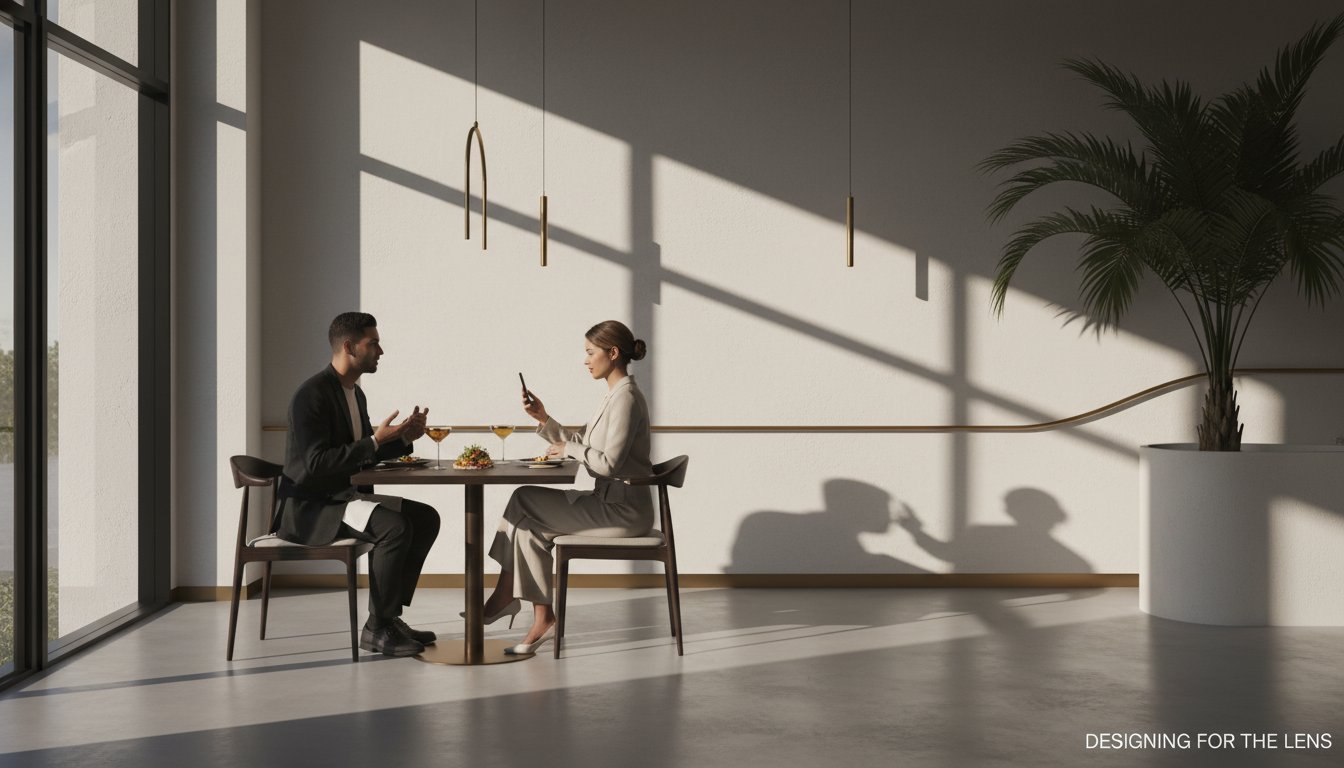
Your signature wagyu tartare isn't enough to fill your tables anymore. In the current hospitality climate, the most exquisite menu in the city can still fail if it lacks a compelling digital pulse. You know the frustration of watching competitors with half your talent capture the attention of premium diners simply because they've mastered the visual language of the moment. Understanding how to market a luxury restaurant in 2026 requires moving beyond traditional opulence and embracing a narrative of total intentionality.
We agree that your brand deserves more than just a fleeting social media trend. You require a cohesive identity that translates the tactile beauty of your dining room into a high-end digital experience. This guide promises to help you master the art of hospitality marketing by blending sophisticated web design with expert content production. We'll show you how to build a viral-worthy aesthetic that attracts high-net-worth clientele and ensures your brand remains a tastemaker in an increasingly crowded market. We'll explore the synergy of intentional physical design and strategic social media storytelling to transform your restaurant into a true lifestyle destination.
Key Takeaways
- Adopt quiet luxury. Prioritize intentionality over outdated opulence to resonate with the sophisticated 2026 diner.
- Master how to market a luxury restaurant. Treat your physical space as a visual narrative designed specifically for the camera lens.
- Elevate the sensory experience. Use material honesty and acoustic luxury to reinforce your brand's elite positioning.
- Mirror your physical excellence online. Deploy high-end content production to maintain a seamless and aspirational digital facade.
- Commit to brand consistency. Develop a definitive voice that ensures every guest touchpoint remains professional and results-driven.
Defining Modern Luxury: Intentionality Over Opulence
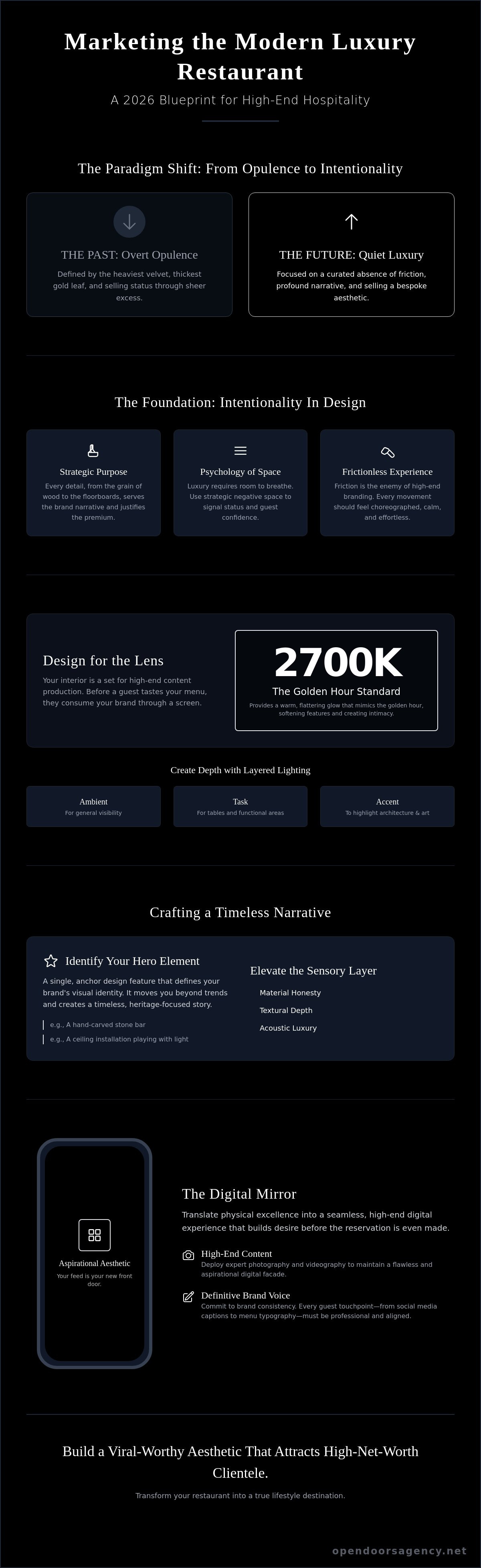
The era of overt opulence has ended. In 2026, luxury is defined by a curated absence of friction and a profound presence of narrative. High-end diners no longer seek the heaviest velvet curtains or the thickest gold leaf; they demand intentionality. They want a space that feels inevitable, where every detail serves a strategic purpose. This shift toward quiet luxury means that knowing how to market a luxury restaurant requires a transition from selling status to selling a bespoke aesthetic. Exclusivity isn't an accident. It's a deliberate design choice that begins long before the first guest crosses the threshold.
While the core of any hospitality business relies on foundational food marketing principles, the luxury sector demands a more nuanced application of these concepts. You aren't just promoting a product; you're positioning a lifestyle. Success in this space comes from a self-assured understanding of visual cues. It's about creating a world where the diner feels like the most important version of themselves. This emotional connection is the bedrock of premium branding.
Intentionality serves as the most valuable currency in high-end hospitality. It reflects a level of care that mass-market establishments cannot replicate. When a guest notices that the grain of the wood table aligns perfectly with the floorboards, they perceive a brand that is in total control. This perception of control builds trust. It tells the guest that if you are this meticulous with the decor, your kitchen and service standards are likely equally rigorous. Mastering how to market a luxury restaurant involves highlighting these minute details to build a narrative of uncompromising quality.
The Psychology of High-End Dining Environments
Spatial layout dictates guest confidence. A well-designed room signals status through the strategic use of negative space. When a dining room feels crowded, it feels common. Luxury requires room to breathe. Elite diners recognize subtle signals like the warmth of recessed lighting or the intentional weight of a custom-forged fork. These elements must balance aspirational design with operational flow. If the staff struggles to move through the room, the illusion of effortless service breaks. Friction is the enemy of high-end branding. Every movement should feel choreographed and calm.
Establishing Your Unique Luxury Narrative
Identify your Hero Element. This is the single design feature that anchors your entire brand identity. It might be a hand-carved stone bar or a ceiling installation that plays with light and shadow. This anchor point moves your restaurant beyond generic trends. It creates a timeless, heritage-focused visual identity that justifies premium pricing. Your brand story should feel like a legacy in the making. It provides the "why" behind the cost, transforming a meal into a cultural event. Consistency in this narrative ensures that your digital presence remains a flawless mirror of your physical reality. When your story is clear, your marketing becomes an invitation to an exclusive world rather than a plea for attention.
Designing for the Lens: Lighting and Spatial Composition
Perception is the precursor to reality in high-end hospitality. Before a guest ever tastes your menu, they consume your brand through a screen. If your physical space isn't optimized for the camera, your marketing efforts will struggle to gain traction. Mastering how to market a luxury restaurant means treating your interior design as a set for high-end content production. Lighting and spatial composition are the primary tools to manufacture an atmosphere that feels exclusive and aspirational. You aren't just designing a room; you're building a visual narrative.
Mastering Lighting Temperature and Layering
Lighting is the most cost-effective way to elevate a brand's perceived value. The industry standard for luxury evening moods is 2700K. This specific temperature provides a warm, flattering glow that mimics the golden hour. It softens facial features and makes the environment feel intimate. Successful brands use layering to create depth. Combine ambient lighting for general visibility, task lighting for the tables, and accent lighting to highlight architectural details. This meticulous approach directly impacts the quality of restaurant photography miami. High-quality visuals depend on these layers to create the shadows and highlights that suggest a premium environment.
Compositional Secrets for an Editorial Space
Design your "Entry Moment" with intent. This is the first frame every guest wants to capture. It sets the tone for the entire luxury restaurant dining experience. Use the rule of thirds in your layout to create naturally balanced frames for social media. Place your most striking design features at these intersection points. Negative space is equally vital. What you leave empty defines your level of luxury. A crowded room feels frantic; a spacious one feels curated. If you need help refining your visual strategy, consider how expert content production can bridge the gap between your physical space and your digital audience.
Visual Storytelling Through Interior Architecture
Use sightlines to guide the guest journey. Every turn should reveal a new, carefully framed view that builds anticipation. Position the bar or open kitchen as a theatrical stage. These areas are natural hubs for organic content. When guests see a chef’s precision or a bartender’s flair, they are witnessing your brand story in motion. Frame these areas with high-quality materials to ensure they look as good in a video as they do in person. Your interior architecture acts as the silent narrator of your brand's heritage and commitment to excellence.
The Sensory Layer: Materials, Textures, and Acoustic Luxury
Visual beauty captures the initial click, but tactile quality secures the legacy. A disconnect between a high-end digital image and a physical space that feels thin or cheap destroys brand credibility instantly. Effective strategies for how to market a luxury restaurant must include a rigorous audit of every physical touchpoint. Luxury diners possess a refined palate for authenticity. They recognize the difference between genuine Nero Marquina marble and a ceramic imitation. Material honesty is non-negotiable. Authentic stone, solid wood, and hand-forged metals outperform imitations because they possess a weight and temperature that the human hand intuitively understands.
These materials age with grace; they develop a patina that suggests history and permanence. In 2026, sustainable luxury has also become a vital status symbol. Using reclaimed materials or ethically sourced stone signals that your brand is socially conscious and forward-thinking. This commitment to quality justifies your premium positioning and provides a deeper story for your guests to share. When your materials tell a story of craftsmanship, your marketing feels less like a pitch and more like a testament to excellence.
Selecting High-Impact Materials for Premium Perception
Use contrast as a primary design tool to create visual and tactile tension. Pair raw, brutalist concrete with highly polished brass accents. This juxtaposition creates a sense of curated drama that photographs exceptionally well. Incorporate tactile fabrics like heavy linen, velvet, or treated leather to add warmth and depth. These materials absorb light and sound, contributing to a sense of enclosure and exclusivity. High-impact materials aren't just about looks; they define the physical weight of your brand.
The Sound of Luxury: Designing the Acoustic Experience
The sound of a room determines its class level. A "cafeteria effect," where voices bounce off hard surfaces, creates a frantic atmosphere that contradicts a premium narrative. Acoustic luxury involves strategic sound-absorbing design. Use upholstered seating, heavy drapery, or hidden acoustic panels to manage noise levels. A controlled soundscape allows for intimate conversation, which directly impacts the guest’s perception of food quality. When a diner is relaxed and can focus on their meal without distraction, the flavors feel more pronounced. Curating a soundscape that complements your visual brand voice is a hallmark of sophisticated hospitality management.
Conduct a comprehensive "Touch-Point" Audit of your establishment to ensure total consistency:
- Weight of the menu: A heavy, textured paper stock suggests importance and permanence.
- Linen quality: High-thread-count napkins provide a sensory reward that guests notice immediately.
- Cutlery balance: The ergonomic feel of a custom-weighted knife signals a high level of craft.
- Glassware clarity: Ultra-thin crystal enhances the visual and tactile appreciation of fine wine.
Mastering how to market a luxury restaurant requires this level of obsession. Every sensory detail must reinforce the central brand story. When the tactile experience matches the digital promise, you build a brand that feels truly unshakeable.
The Digital Mirror: Translating Physical Luxury into Content
Your digital presence must be a seamless reflection of your physical space. It is the first touchpoint for the modern elite diner. If the physical environment is the heart of your brand, your online presence is the face. High-end diners expect a digital experience that matches the tactile quality of your dining room. This is why understanding how to market a luxury restaurant requires a transition from generic social media posting to curated digital storytelling. Every pixel must reinforce the exclusivity you've built within your walls.
Content retainers are the secret weapon for Miami's top-tier establishments. They provide the consistency needed to stay relevant without looking desperate for attention. A professional miami food content creator understands this balance. They don't just take photos; they manufacture a facade of effortless elegance. This ensures your brand remains a tastemaker in a competitive landscape. Elevate your brand's digital facade with professional content production that captures your unique luxury narrative.
Consistent Visual Identity Across All Platforms
Color grading is essential. Your online imagery must match the physical mood of your restaurant. If your space uses 2700K lighting to create intimacy, your digital content should reflect that specific warmth. High-resolution architectural shots are vital for website conversion. They prove the physical promise of your brand and justify premium pricing. Effective visual storytelling for hospitality builds pre-arrival anticipation. It makes the guest feel they have already arrived before they even book a table. Curate your Instagram grid to feel like a high-end lifestyle editorial where every image serves a purpose.
Social Media as a Luxury Concierge
Short-form video showcases the theater of service. Capture the precision of a tableside pour or the delicate artistry of plating. This content should feel like an invitation to a private world, not a plea for likes. Strategic engagement is key. Luxury brands communicate with a tone of calm authority. Don't chase every trend; instead, lead with a self-assured voice. Tailor your visual language to the platform. Instagram remains the home for polished lifestyle editorials. TikTok offers a space for more dynamic, behind-the-scenes narratives that appeal to a younger luxury demographic. Both platforms require a decisive, organized approach to maintain visual excellence.
Implementing the Vision: Strategy, Voice, and Consistency
Luxury is a fragile ecosystem. One inconsistent detail shatters the illusion of exclusivity instantly. If your lighting is perfect but your typography feels generic, your brand loses its authority. Mastering how to market a luxury restaurant requires an obsession with total cohesion. You must ensure that the intentionality discussed in previous sections carries through every guest interaction. This isn't just about a one-time launch. It's about maintaining a standard of excellence that never wavers. Every touchpoint must reinforce the central narrative of your brand.
A visual identity without a soul is just a facade. You need a definitive guide for developing a restaurant brand voice to ensure your communication matches your aesthetic. A sophisticated dining room demands a sophisticated tone in every caption and email. DIY luxury often misses the mark because it lacks this strategic layer. Many owners fall into branding traps by chasing fleeting trends instead of building a timeless legacy. In 2026, luxury marketing is a living, breathing content strategy that requires constant refinement and professional oversight.
The Consistency Audit: From Menu to Social Media
Perform a consistency audit to identify friction points. Start with your physical branding. Logos and typography must feel modern yet heritage-focused. These elements should appear as clearly on your wine list as they do on your website. Train your staff to embody the visual brand. Their grooming and service style should feel like a choreographed extension of your interior design. Regularly update your visual assets. A luxury brand that relies on dated photography feels stagnant. Elite status is maintained through a commitment to visual vibrancy.
Partnering with Professional Tastemakers
Partner with experts who understand the nuances of high-end positioning. A generic agency focuses on volume; a luxury hospitality specialist focuses on vibration. They understand how to market a luxury restaurant by blending brand strategy with elite content production. Opendoors Agency bridges this gap by translating your vision into a results-driven reality. We handle the complexities of your digital presence so you can focus on operational excellence. This partnership ensures your brand remains a leader in the lifestyle sector.
Before your next service, ask yourself if your restaurant is truly ready for its high-end close-up:
- Does your digital mirror reflect the warmth of your physical lighting?
- Is your brand voice consistent across your website and social platforms?
- Do your physical materials feel as authentic as they look in your photography?
- Is your content strategy refreshed often enough to keep your audience engaged?
Success in 2026 belongs to the restaurants that treat their brand as an art form. When strategy, voice, and consistency align, you create a destination that transcends the dining room. You build a brand that guests don't just visit, but one they truly desire to be a part of.
Secure Your Place as a 2026 Tastemaker
Mastering how to market a luxury restaurant in a saturated landscape requires more than just high-quality food; it demands a total commitment to visual and narrative excellence. You've learned that modern luxury is defined by intentionality. Every shadow cast by your lighting and every texture on your menu must serve a strategic purpose. Your digital presence isn't a secondary concern. It's the primary lens through which the elite world discovers your brand. Consistency across these touchpoints transforms a simple meal into a legendary heritage.
The transition from a dated image to a viral-worthy aesthetic happens through professional precision. We are Miami-based experts in luxury hospitality branding who understand the visual language of success. From comprehensive visual identity services to bespoke content production for elite restaurants, we bridge the gap between your physical excellence and digital reach. Elevate your restaurant’s visual narrative with Opendoors Agency and ensure your brand remains at the forefront of the hospitality sector. Your vision deserves a partner who leads with authority and passion. It's time to claim your status as an industry innovator.
Frequently Asked Questions
What is the most effective way to market a luxury restaurant in 2026?
The most effective strategy combines intentional physical design with sophisticated digital storytelling. Mastering how to market a luxury restaurant requires a curated narrative that connects your physical space to digital perception. This creates a seamless experience for high-net-worth diners who discover brands through visual excellence. Prioritize a comprehensive approach that manages your brand's image with expert precision. This builds a viral-worthy aesthetic that justifies your premium positioning in a crowded market.
How does lighting affect the perception of a luxury restaurant?
Lighting serves as the primary tool for manufacturing atmosphere and depth. Using the industry standard of 2700K creates a warm, flattering environment that signals exclusivity. Layered lighting techniques ensure the space looks as sophisticated in person as it does in high-end content production. It softens features and highlights architectural details, directly influencing how guests perceive the quality of your service and the value of their experience.
Why is professional photography essential for luxury branding?
Professional photography validates the physical promise of your brand before a guest ever visits. High-resolution imagery justifies premium pricing by highlighting craftsmanship and material honesty. It acts as a digital mirror, translating your restaurant's tactile quality into a visual currency that attracts elite clientele. Without professional assets, even the most exquisite menu fails to capture the attention of a market that values visual perfection above all else.
What colors make a restaurant look most expensive?
Deep, muted palettes paired with high-contrast accents typically evoke a sense of heritage and permanence. Charcoal, forest green, or midnight blue offset by polished brass or natural stone create a sophisticated visual weight. These combinations photograph with editorial clarity and suggest an environment of quiet luxury. Avoid generic gold and velvet in favor of a bespoke color story that reflects your brand's unique narrative and commitment to quality.
How do I attract a high-end clientele through digital content?
Attract premium diners by showcasing the theater of your service and the intentionality of your design. Use short-form video to highlight bespoke details rather than chasing broad trends. Learning how to market a luxury restaurant involves positioning your establishment as an exclusive lifestyle destination through a self-assured digital voice. Focus on building a community of regulars who value the absence of friction and the presence of a deep, authentic story.
What are the luxury restaurant design trends for 2026?
2026 trends center on quiet luxury and sustainable intentionality. This includes a shift toward organic materials like authentic stone and wood, alongside improved acoustic luxury to eliminate noise friction. Design moves away from generic opulence toward bespoke, heritage-focused aesthetics that feel timeless. These trends prioritize the sensory experience, ensuring that visual beauty is matched by tactile quality and a sense of calm, authoritative confidence.
Can a small restaurant still look luxurious on social media?
Absolute exclusivity is often found in intimacy. A small space looks exceptionally luxurious by focusing on high-impact vignettes and meticulously curated negative space. Use close-up photography to highlight tactile materials and bespoke service details, creating a sense of private, members-only allure. When every inch of a small room is designed with intent, it signals a level of care and exclusivity that larger, more generic venues cannot replicate.
How often should a luxury restaurant update its visual content?
Update your visual assets quarterly to maintain a sense of vibrancy and relevance. Fresh content ensures your brand doesn't feel stagnant or dated in a fast-paced digital landscape. Consistent updates allow you to showcase seasonal menu evolutions and architectural refinements, keeping your high-end narrative alive. This proactive approach mirrors the efficiency of professional content production services, ensuring your brand always presents its most polished and modern image.


