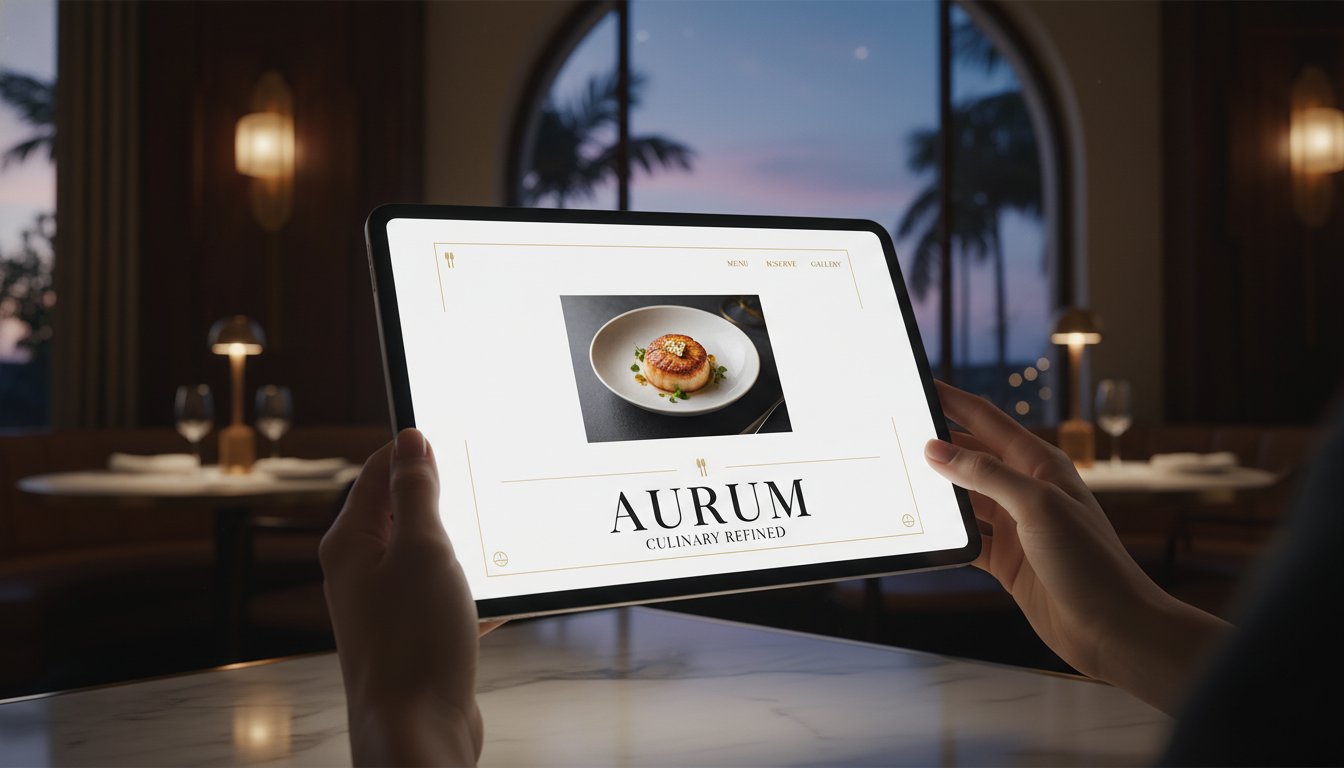
68% of diners have decided against visiting a restaurant because of a poor digital experience. It's a staggering reality. You've spent years perfecting your menu and atmosphere, yet a generic website template can undermine that hard work in seconds. High bounce rates and unreadable mobile menus aren't just technical flaws; they're barriers to your brand's growth. You deserve a digital presence that feels as curated as your wine list.
The best restaurant website design for 2026 moves beyond the digital menu to become a sensory-driven concierge. We'll show you how elite hospitality brands use professional photography and immersive storytelling to turn casual browsers into loyal diners. You'll discover the latest luxury trends, from seamless reservation integration to the critical WCAG 2.1 Level AA accessibility standards. Elevate your digital presence to match the caliber of your kitchen and secure more direct bookings starting now.
Key Takeaways
- Shift your perspective from a digital menu to an experiential front door that mirrors your physical dining room.
- Master the three pillars of the best restaurant website design by balancing high-end visual storytelling with intuitive user experience.
- Embrace 2026 trends like cinematic immersion and bold typography to maintain a competitive edge in the luxury market.
- Conduct a luxury audit of your current site to ensure every digital touchpoint reflects your brand's elite service standards.
- Utilize a photography-first design approach to create a cohesive brand identity that converts visitors into loyal diners.
The Digital Front Door: Defining the Best Restaurant Website Design
Your website isn't just a digital menu. It's the first touchpoint of your guest's journey, functioning as a digital front door that sets the tone long before a table is booked. While competitors might focus on simple utility, high-end hospitality brands understand that the best restaurant website design is an experiential tool. It doesn't just provide information; it evokes a specific mood. This digital experience should mirror the physical luxury of your dining room, creating a seamless transition from the screen to the seat.
Luxury diners expect more than a list of ingredients. They seek a narrative. There's a profound psychological impact when a user lands on a site that reflects the same level of care as your interior design. A premium digital presence increases perceived value, justifying your price point and establishing authority. We're seeing a decisive shift from information-heavy pages to visual-first narratives. This approach uses high-end photography to tell a story of craft, atmosphere, and exclusivity. It moves the guest from curious to committed by focusing on the feeling of the experience rather than just the logistics of the meal.
Why First Impressions Matter in Luxury Hospitality
Users form an opinion about your brand in approximately 50 milliseconds. This split-second judgment determines whether a visitor explores your menu or bounces to a competitor. Visual consistency is the foundation of trust. If your social media looks elite but your website feels like a generic template, you create a jarring disconnect. Custom-tailored visual identities eliminate this friction. They ensure that every pixel aligns with the physical reality of your dining room. This alignment builds confidence. It tells the guest that your attention to detail extends far beyond the kitchen.
The 2026 Standard for Premium Web Presence
The benchmark for 2026 is the "Digital Concierge." This concept prioritizes a seamless, intuitive flow that anticipates a guest's needs before they even realize them. We achieve this through minimal text and maximalist imagery. High-resolution photography takes center stage, allowing the food and space to speak for themselves. This strategy relies on fundamental web design principles that prioritize user experience and aesthetic balance. Performance is non-negotiable. Mobile-first responsiveness and lightning-fast load times are the baseline for any site claiming to offer the best restaurant website design. Efficiency is the ultimate luxury. Guests want answers immediately. A slow site is a closed door.
The Three Pillars of High-End Restaurant Web Design
The best restaurant website design doesn't exist to serve the designer's ego. It exists to serve the guest. While many sites focus on aesthetic flair alone, luxury hospitality demands a more rigorous framework. We build every high-end digital presence on three non-negotiable pillars: Visual Storytelling, Intuitive UX, and Conversion Strategy. When these elements align, your website becomes a strategic asset that validates your brand's elite positioning. It transforms a simple URL into an immersive extension of your dining room.
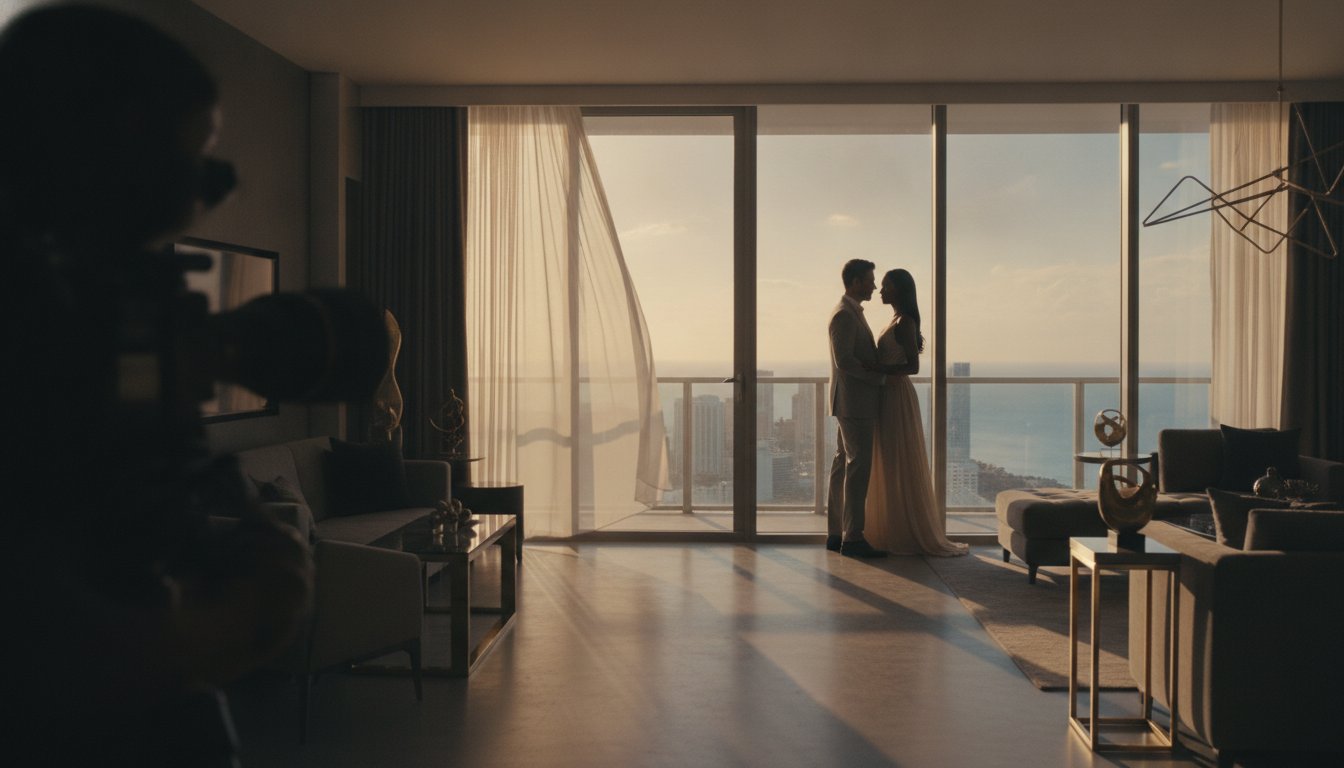
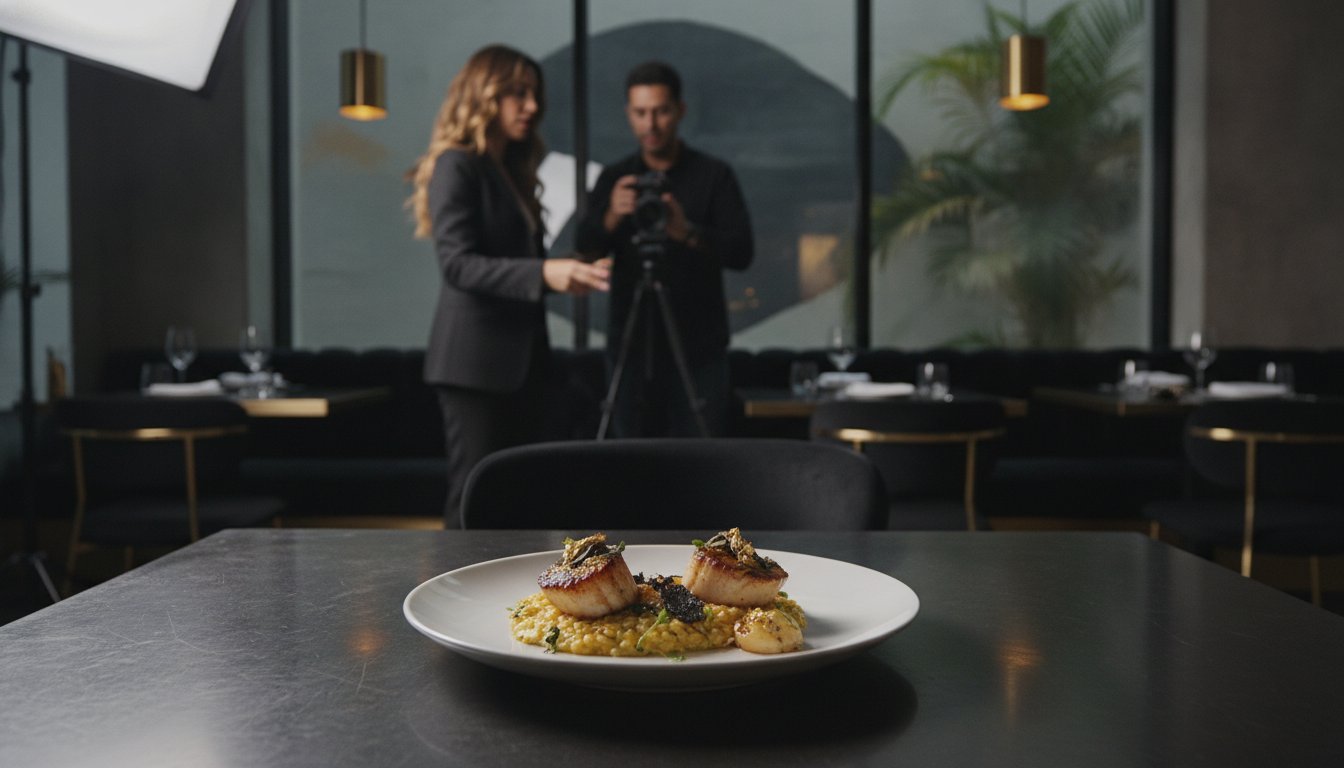
Photography is the soul of this experience. It provides the emotional texture that text alone cannot reach. Without world-class imagery, even the most sophisticated layout feels hollow. High-end design must reflect the sensory reality of your establishment. It should capture the glint of a crystal glass, the richness of a velvet banquette, and the precise plating of a signature dish. This visual weight justifies your price point before the guest ever sees a menu.
Visual Storytelling Through Elite Photography
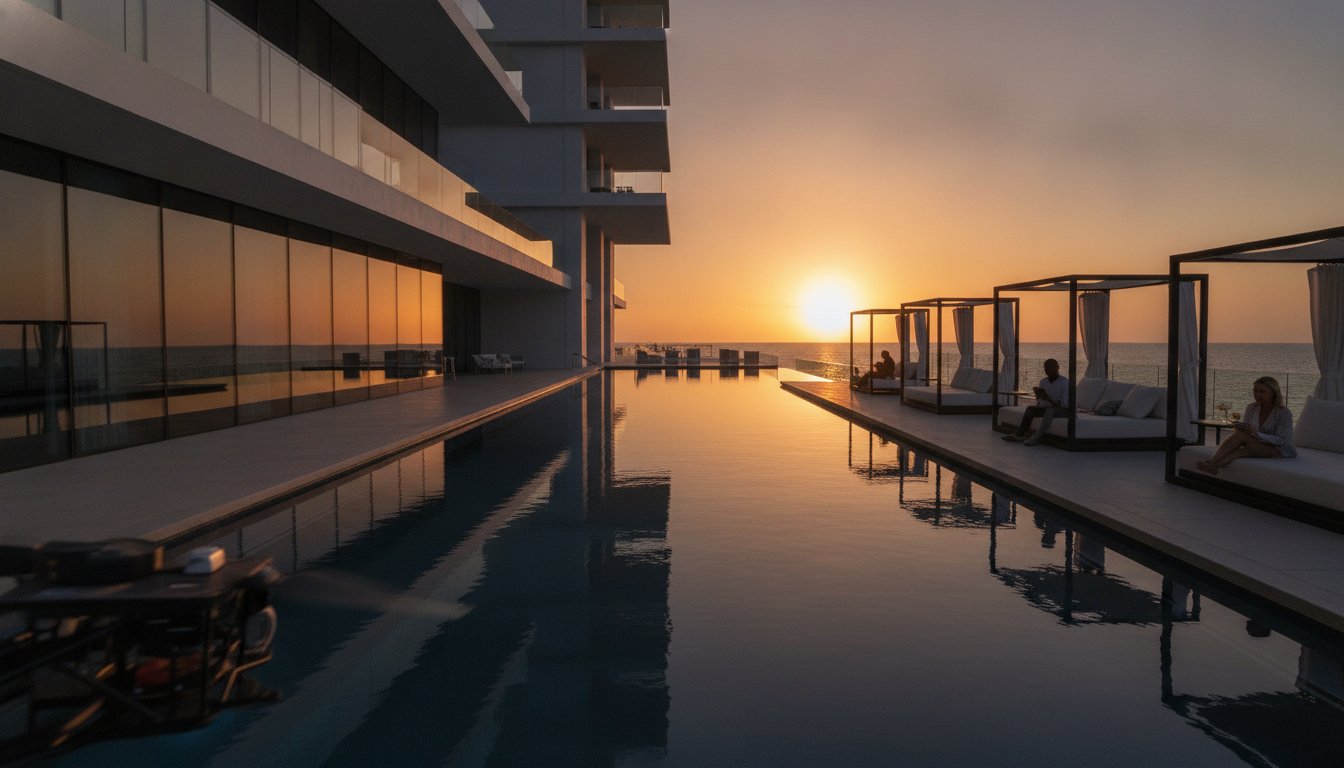
Low-quality photos are the quickest way to erode trust. They suggest a lack of care that guests will assume extends to your kitchen. To avoid this, we prioritize architectural shots that convey the scale and atmosphere of your space. These images allow potential diners to place themselves in the room. If you are operating in a competitive market, you need a localized strategy. Our guide on restaurant photography miami details how to capture the specific energy of high-end dining hubs. Great photography doesn't just show what you serve. It shows how it feels to be there.
Intuitive UX: The Art of the Seamless Reservation
Luxury is defined by the absence of friction. Your website must follow the "Two-Click Rule." A guest should be able to view your menu or book a table within two clicks of landing on your home page. According to restaurant industry data, mobile users now represent the majority of your traffic. This necessitates a "thumb-friendly" interface where navigation is effortless on a smartphone. We integrate platforms like SevenRooms or Resy directly into the design. This ensures the booking process feels native to your brand rather than a clunky third-party interruption.
Conversion Strategy: From Scroller to Diner
A beautiful site that doesn't drive bookings is a failed investment. We use social proof to build authority without cluttering the aesthetic. Michelin stars, James Beard nominations, or press features from elite publications are placed strategically to build confidence. We also focus on micro-copy. These are the small, persuasive phrases that guide a guest through the site. Instead of a generic "Submit," we use language that mirrors your service style. Capturing high-intent visitors through curated newsletter signups allows you to maintain a direct line to your most valuable guests. For brands ready to lead, we provide bespoke digital solutions that turn visual excellence into tangible growth.
Top Restaurant Website Design Trends for 2026
Static layouts are a relic of the past. For 2026, the best restaurant website design focuses on Cinematic Immersion. This trend prioritizes high-motion visuals that transport the user directly into your dining room. It's about capturing the energy of a service in full swing. Alongside this movement, we see a return to Bold Typography. Type is no longer just for reading; it's a primary branding tool that conveys authority and character. Large, expressive fonts can dominate a page, acting as the main visual element and setting a confident tone.
Dark Mode Luxury is also dominating the high-end sector. It creates an intimate, evening-focused vibe that mirrors a candlelit table. This aesthetic choice suggests exclusivity and sophistication, making it ideal for fine dining establishments. Finally, Personalized Journeys are becoming the gold standard. Sites now adapt content based on a user's location or past interactions, offering a tailored experience that feels like true concierge service. This level of detail ensures your digital presence remains among the essential elements of a restaurant website in the modern era.
Cinematic Video Backgrounds and Motion
4K video builds immediate appetite. Seeing a chef plate a dish or a bartender stir a cocktail creates a visceral connection. It's a "Chef’s Table" perspective delivered directly to the guest's screen. However, performance remains critical. We optimize every motion element to prevent slow load times. A lagging video is a luxury brand killer. Smooth, purposeful motion is the goal. It should feel effortless and high-end, never distracting from the core message.
The Minimalist "Menu-First" Approach
Many elite brands are stripping away the fluff. This minimalist approach uses whitespace to evoke "Airy Luxury." It puts the focus squarely on the food and the experience. By removing unnecessary sidebars and decorative elements, you increase user focus. This ensures the menu is the hero of the page. It's a confident move that suggests your product speaks for itself. Clean lines and plenty of room to breathe create a sense of calm and order.
Interactive Brand Narratives
Interactive storytelling, or "scrollytelling," allows guests to discover your history as they move through the site. It reveals your narrative in layers. We integrate behind-the-scenes content directly into the main flow. This might include 360-degree views of the dining room or interactive floor plans. These tools provide a sense of place. They make the digital visit feel like a physical tour, building anticipation for the real thing. It's about creating a world the guest wants to enter.
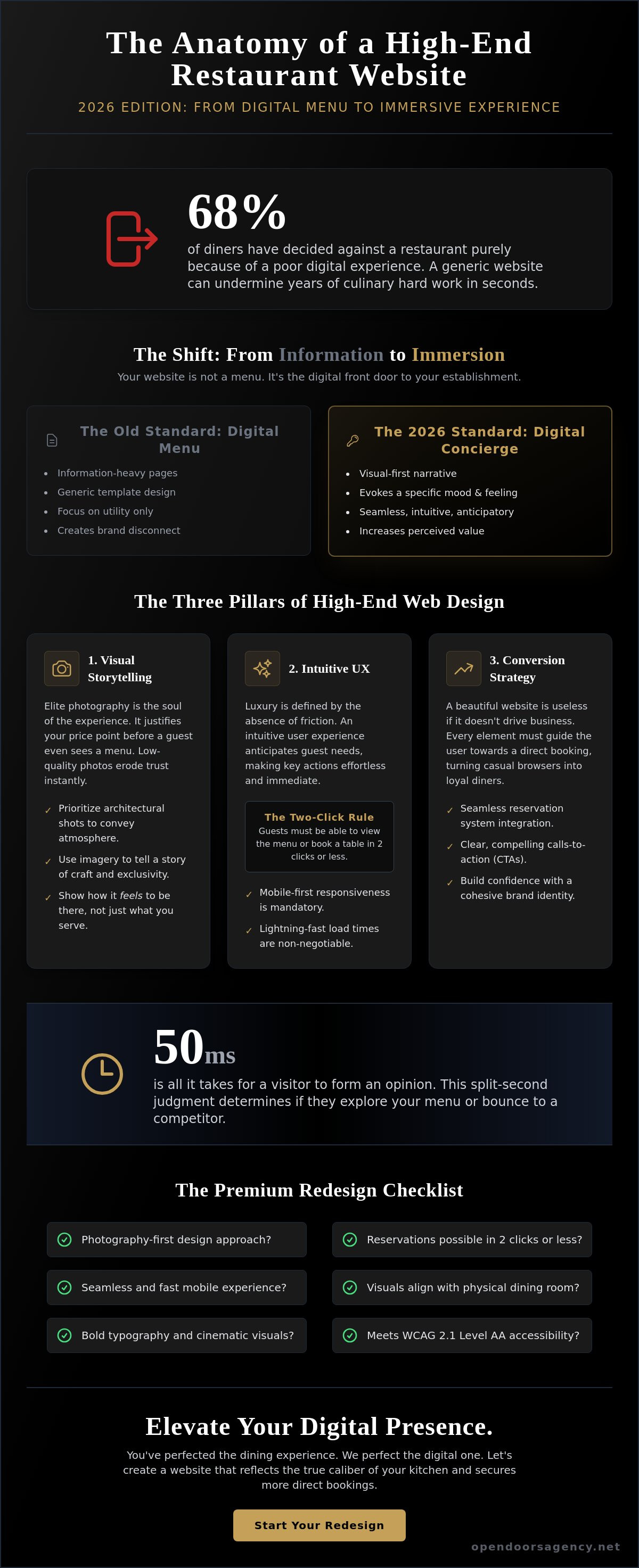
Evaluating Your Site: The Premium Redesign Checklist
A luxury dining experience is defined by consistency. Every detail matters, from the weight of the silver to the temperature of the wine. Your digital presence is no exception. To maintain the best restaurant website design, you must subject your site to a rigorous Luxury Audit. This isn't a one-time technical check. It's a strategic evaluation of brand alignment. If your online experience feels dated or clunky, you're telling potential guests that your standards have slipped. A website is a living asset. It requires constant refinement to remain relevant in a fast-moving market.
Prioritize a mobile-first audit above all else. Research indicates that 72% of restaurant searches happen on a smartphone. If your mobile interface is difficult to navigate, you've already lost the guest. 61% of users will leave a site immediately if it isn't mobile-friendly. Test your site on actual 4G and 5G networks. This is especially critical for brands catering to tourists in high-traffic hubs. A site that loads slowly under real-world conditions is a liability that costs you bookings every day.
The 5-Minute Brand Alignment Test
Start with visual harmony. Open your website alongside your physical menu. Does the typography match? Consistency builds trust. Next, look at your imagery. Photos should reflect the current season and your latest decor. Serving a summer menu while displaying winter braises creates a psychological disconnect. Finally, evaluate your brand voice. The language on your site should mirror the sophistication of your in-person greeting. If there's a gap, your brand identity is at risk. Every digital touchpoint must reinforce the premium nature of your service.
Technical Performance and Accessibility
Technical excellence is a prerequisite for luxury. Load speeds are critical; every additional second of wait time increases order abandonment by 7%. Ensure your site meets the court-enforced WCAG 2.1 Level AA standards for ADA compliance. This includes accessible HTML menus and intuitive booking forms. Avoid "Broken Journeys" at all costs. This means no links to old PDFs and no 404 errors. Every path a guest takes should lead to a polished, functional destination. If your current site fails these tests, it's time to start your premium redesign with a partner who understands the visual language of success.
Elevating the Aesthetic: The Opendoors Agency Approach
Opendoors Agency isn't just a service provider. We're a creative partner for brands that refuse to settle for the ordinary. Achieving the best restaurant website design requires more than technical skill; it demands a deep understanding of the luxury lifestyle. Our approach is rooted in the belief that a website should be as evocative as a signature cocktail. We don't just build sites. We craft digital experiences that validate your elite positioning and turn visitors into diners.
Our "Photography-First" philosophy sets us apart. Most agencies treat imagery as an afterthought, filling layouts with stock photos or low-resolution snapshots. We do the opposite. We start with world-class photography to capture the soul of your brand. Every design choice, from typography to whitespace, exists to frame these visuals. This strategy ensures that your digital front door reflects the vibrant energy and meticulous craft of your kitchen. It provides the strategic foundation for every creative decision, ensuring your site is as purposeful as it is beautiful.
Where Content Meets Code
We integrate high-end photography into custom web builds with surgical precision. This isn't just about placing an image on a page. It's about a collaborative process where branding and development work in tandem. We focus on the "Miami Luxury" aesthetic; vibrant, polished, and undeniably elite. Our team ensures that your site remains fast and responsive while delivering 4K cinematic visuals. This synergy between content and code creates a frictionless journey for your guests. It's a technical execution that never sacrifices the artistic vision.
Beyond the Launch: Growth and Content
A great launch is only the beginning. To stay ahead in 2026, your digital presence must evolve. We offer monthly content retainers that keep your site fresh with new photography and updated branding. This hands-off approach allows busy owners to focus on their operations while we manage their digital image. By integrating social media management, we drive high-intent traffic back to your site. This creates a cycle of growth that sustains your brand's status. It's time to stop managing your website and start leading your industry. Elevate your brand with Opendoors Agency and discover the power of visual excellence.
Own the Future of Dining
A restaurant’s success is no longer confined to the four walls of its dining room. Your digital presence is the catalyst for every reservation and direct booking. We've explored how the best restaurant website design balances cinematic storytelling with rigorous technical performance. From the 50-millisecond rule of first impressions to the necessity of ADA compliance, your site must be a flawless reflection of your brand's standards. Don't let a generic template dilute your culinary vision. Your website should be as curated as your menu.
Opendoors Agency is the partner of choice for brands that demand visual excellence. As Miami-based hospitality specialists, we combine award-winning branding and photography with high-performance web design. We're trusted by South Florida’s elite restaurant groups to deliver digital experiences that convert. It's time to stop managing a website and start leading a category. Our hands-off creative retainers ensure your brand stays ahead of 2026 trends without increasing your operational burden. View Our Hospitality Portfolio and Start Your Redesign today. Your next landmark guest is already looking for you.
Frequently Asked Questions
Why is a custom website better than a template for a luxury restaurant?
Custom websites provide the unique brand alignment and narrative depth that generic templates lack. Templates often lead to a digital "sea of sameness" that devalues a premium brand. A bespoke build allows for high-end visual integration and specific features that mirror your physical dining room. It ensures your digital front door is as exclusive as your guest list and as refined as your service.
How often should a restaurant update its website design?
Luxury brands should perform a comprehensive design refresh every 2 to 3 years to maintain the best restaurant website design standards. Digital aesthetics and user expectations move quickly. While the core structure remains, visual content like photography and seasonal menus require more frequent updates. Constant refinement prevents your brand from appearing stagnant or out of touch in a competitive market.
What are the most important features of a restaurant website in 2026?
The most critical features include mobile-first responsiveness, high-resolution visual storytelling, and seamless reservation integration. 72% of restaurant searches happen on smartphones, making a "thumb-friendly" interface essential. You also need lightning-fast load times to prevent abandonment. Every additional second of delay increases guest drop-off by 7%. Accessibility compliance with WCAG 2.1 Level AA is also a non-negotiable legal standard.
How does professional photography impact website conversion rates?
Professional photography is the primary driver of digital conversions because 45% of visitors look for food photos first. High-quality imagery builds immediate appetite and guest trust. It justifies premium pricing by showcasing the craft and atmosphere of your establishment. Low-quality or stock photos often cause visitors to doubt the actual dining experience, which leads to higher bounce rates and lost revenue.
Should I include my full menu as a PDF or on-page text?
Always use on-page HTML text for your menu instead of a PDF. HTML menus are searchable by search engines, helping your site rank for specific dishes and ingredients. They also ensure accessibility for screen readers and provide a superior experience on mobile devices. PDFs are often difficult to navigate on small screens and represent a significant barrier for guests trying to find your offerings quickly.
How can I make my restaurant website rank better on Google?
Focus on local SEO, technical performance, and high-quality content production. Ensure your Google Business Profile is linked and your contact data is consistent across the web. Using HTML menus and descriptive text about your unique cuisine helps search engines understand your relevance. Since 89% of guests research online before visiting, appearing in local search results is vital for capturing high-intent traffic.
What is the best way to integrate a reservation system into a custom design?
Integration should be native and frictionless, ideally using an API from platforms like Resy or SevenRooms. This allows the booking widget to match your brand's aesthetic rather than appearing as a clunky third-party pop-up. The goal is to keep the guest within your brand environment at all times. A seamless transition from browsing to booking increases the likelihood of a confirmed reservation and a direct booking.
How much should I expect to invest in a premium restaurant website?
Investment for a premium website varies based on the complexity of the build and the depth of content production required. High-end hospitality groups typically budget for custom web design, professional photography, and branding to ensure a cohesive identity. While costs depend on specific project scopes, prioritizing quality ensures your digital asset drives long-term revenue. You should consult with specialists for a proposal tailored to your brand's specific needs.